Song Meaning
Yolanda Adams' rendition of "Do You Hear What I Hear" is more than a simple Christmas carol; it's a carefully constructed echo chamber of revelation, rippling outwards from the celestial to the terrestrial. The lyrics, a chain of whispered confidences, begin with the night wind and a lamb, escalating through a shepherd boy and a king, before finally reaching 'the people everywhere.' This structure isn't accidental. It mirrors the gradual, often painstaking, spread of awareness – a psychological model for how transformative ideas take root in the collective consciousness. Each verse acts as a call and response, amplifying the initial observation of the star into a universal message of hope and peace. The repetition of 'Do you see what I see?' and 'Do you hear what I hear?' emphasizes the importance of shared experience and communal validation in fostering belief and action. It's a gentle nudge towards empathy, urging listeners to connect with the wonder and potential for change that exists beyond their immediate surroundings.
Adams' performance elevates the song beyond its narrative simplicity. Her vocal control and gospel-infused delivery bring gravitas to the message. The 'song, a song, high above the trees, with a voice as big as the sea' isn't just a literal description of angelic singing; it's a metaphor for the power of music itself to transcend boundaries and unite disparate voices. The song subtly touches on the psychological concept of priming. The initial image of the star 'dancing in the night' acts as a positive stimulus, preparing the listener to receive the subsequent message of peace and goodwill. The image of the shivering child, juxtaposed with the king's wealth ('Let us bring him silver and gold'), introduces an element of social responsibility, a call to action that transcends mere holiday sentimentality.
Ultimately, the song’s meaning isn’t solely confined to the Nativity story. It is a broader commentary on the potential for individual perception to spark collective transformation. The final verse, directed at 'the people everywhere,' is a reminder that the responsibility for creating a better world rests not with divine intervention or earthly rulers, but with each individual's willingness to listen, to see, and to act on what they perceive. Through Yolanda Adams' interpretation, 'Do You Hear What I Hear' transforms into an appeal for collective awakening, a powerful reminder of our shared humanity and capacity for positive change.
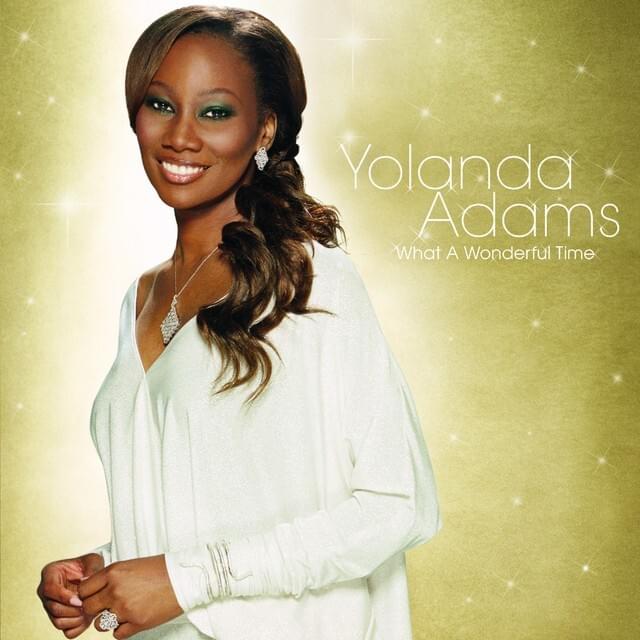
 View Artist