Song Meaning
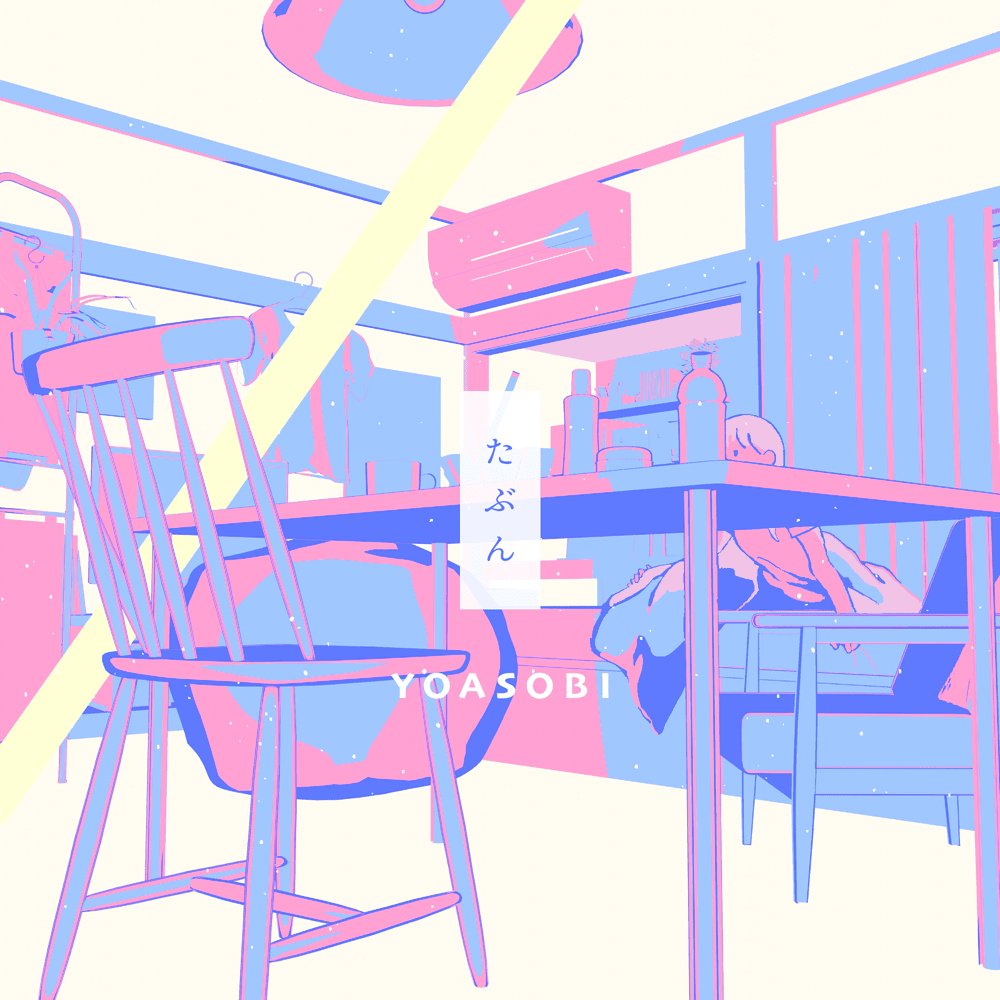
The lyrics of "たぶん (Probably)" paint a picture of a relationship's quiet, inevitable dissolution. The opening lines establish a sense of detachment, noting a lack of tears and leaving no trace of past days. This sets a somber, almost resigned tone for the aftermath of a breakup, where the narrator wakes alone and reflects on the shared space, questioning fault but ultimately landing on a hesitant "probably" – a word that echoes the song's central theme of uncertainty and passive acceptance. The verses detail the lingering presence of a past life, the "当たり前" (taken-for-granted things) that remain even as the relationship ends, highlighting the dissonance between memory and reality.
The core tension lies in the narrator's struggle with blame and acceptance. Initially, there's a flicker of accusation: "悪いのは君だ" (It's your fault). But this quickly dissolves into self-recrimination: "悪いのは僕だ" (It's my fault), before settling back into the ambiguous "たぶん" (probably). This back-and-forth suggests a deep-seated inability to pinpoint blame, or perhaps a shared responsibility that defies easy categorization. The lyrics frame this as a common narrative, a "大衆的恋愛" (commonplace romance) with a predictable ending, making the personal pain feel almost generic, yet no less poignant.
The most striking aspect is the recurring phrase "おかえり" (welcome home). It surfaces as an involuntary utterance, a word that no longer fits the situation, highlighting the ingrained habits of a past relationship that persist beyond its end. This linguistic echo, coupled with the repeated assertion that "we will surely end with goodbye," underscores the tragedy of a love that has become so familiar it can only be recognized in its absence. The narrator acknowledges the impossibility of understanding everything and forgiving all, yet the lingering desire to return to the beginning, to recapture what was lost, is palpable in the final "おかえり" that is spoken but not heard.
This song's effectiveness stems from its understated portrayal of heartbreak. Instead of grand pronouncements, it offers quiet observations and hesitant conclusions. The repeated use of "きっと" (surely/probably) and the ultimate refrain of "たぶん" create a pervasive sense of resignation, making the emotional weight feel earned rather than forced. It captures that specific ache of realizing a relationship wasn't a dramatic explosion, but a slow, quiet fade, leaving behind only the ghost of familiar words and the coldness of a solitary morning.
 View Artist