Song Meaning
The lyrics confront a listener with the inevitability of aging and the potential for regret. The opening questions paint a stark picture: would you fear the end of youth, pity those who've given up, or mock innocence? It’s a direct challenge, asking if current tears are for past wrongs, implying a life lived with missteps. The core idea is that life, though simple, offers rewards if one is observant enough to notice them.
The chorus hammers home a central, inescapable truth: "Ettei pakoon päästä voi" – you can't escape. This isn't about a physical prison, but a more profound, internal confinement. The image of "pienet kädet nuo vartioi" (those small hands guard) at the gate suggests that the very things we try to flee from, perhaps innocence or past selves, are the ones keeping watch, preventing our escape. It’s a powerful metaphor for how our history and fundamental nature hold us captive.
The second verse shifts to sensory memory, asking if you recall your first cry or the feeling of a gentle touch. The line "Ei se päästä irti otteestaan / Vaan tarttuu lujempaa" (It doesn't let go of its grip / But holds on tighter) reinforces the inescapable nature of these experiences. These aren't just fleeting moments; they are persistent, formative forces that continue to shape the present, much like the small hands guarding the gate.
Ultimately, the effectiveness of these lyrics lies in their direct, almost accusatory tone paired with evocative, yet ambiguous imagery. The questions force introspection, while the chorus provides a somber, unyielding conclusion. The contrast between the potential for reward and the certainty of being held by one's past creates a compelling emotional tension, making the listener question their own attempts to outrun their history.
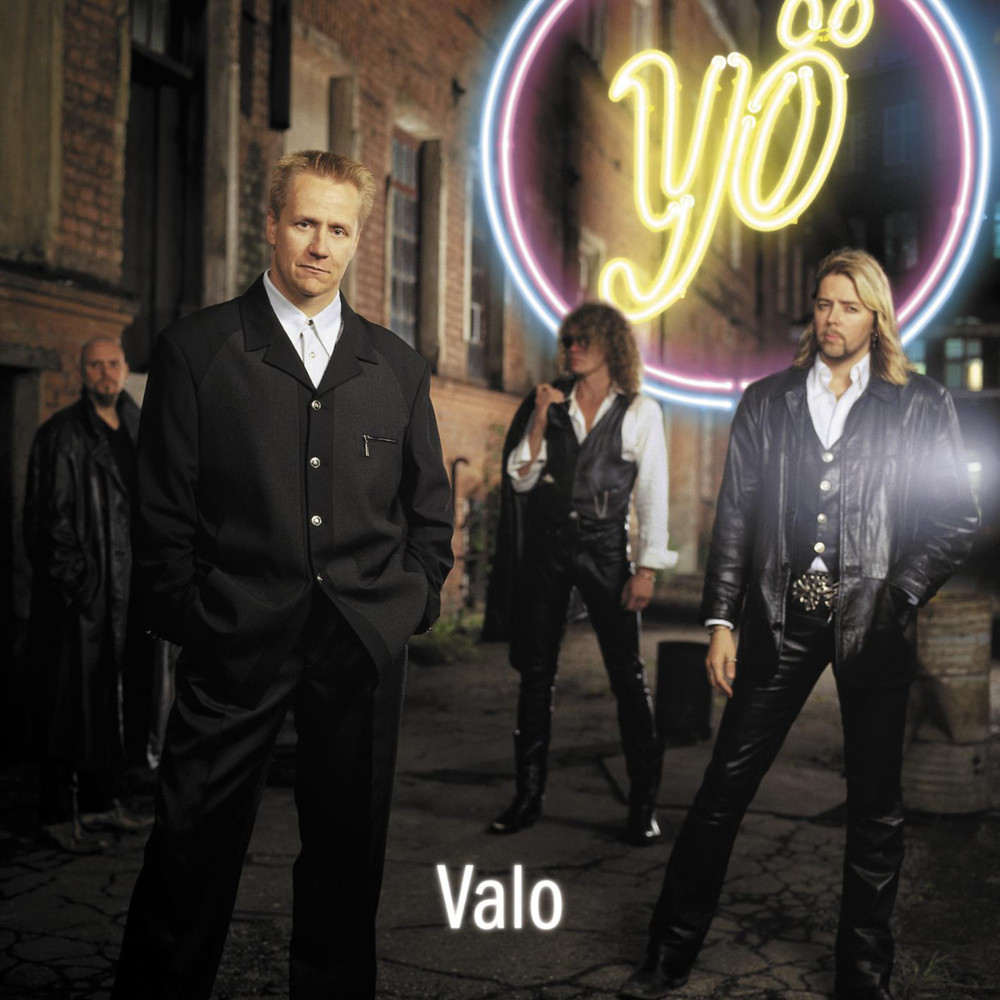
 View Artist