Song Meaning
The lyrics paint a stark picture of someone succumbing to despair, a "blue hour" moment where life feels too heavy to bear. The narrator observes a former self, someone who dreamed of being a beloved princess, now drowning their sorrows. This transformation is starkly contrasted with past aspirations, highlighting a profound loss of self and ambition. The image of Cinderella getting drunk instead of going to the ball is a potent, almost bitter, reinterpretation of a fairy tale.
The core tension lies in the destructive cycle the subject is trapped in. They are described as a "raging bull" with a "steaming head," perpetually hungry and unable to see past their own rage or pain. This internal fury prevents them from acknowledging or processing their emotions, symbolized by the inability to shed tears. The lyrics suggest a sense of inevitability, a feeling that this destructive pattern is inescapable.
The recurring "raging bull" metaphor is particularly effective, capturing a sense of uncontrolled anger and a blind, charging force. The phrase "steaming head" evokes intense, unexpressed frustration, while "always hungry" suggests an insatiable need or emptiness that can never be filled. The repeated line "you don't see tears" underscores a profound emotional disconnect, a refusal or inability to confront the sadness that fuels the rage.
What makes these lyrics hit hard is their unflinching portrayal of self-destruction and the loss of dreams. The narrator acts as a detached observer, witnessing the subject's life "evaporate like smoke" and their past "drowned" connections never returning. The final lines, "you know it, it gets you again / You run away, you're scared / I know it, it catches up / You notice again, you're just that..." solidify the feeling of a relentless, inescapable fate, leaving the listener with a sense of profound melancholy and resignation.
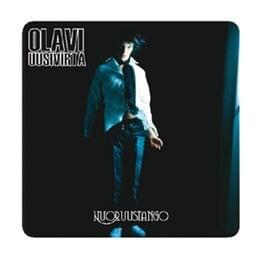
 View Artist