Song Meaning
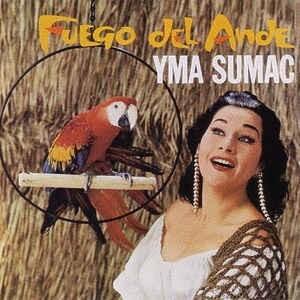
Yma Sumac’s "La Pampa Y La Puna" is less a song than a vocal force of nature, a sonic exploration of landscape and longing distilled into a few potent verses. The lyrics, sung in Spanish, depict a journey from the pampas (lowlands) to the Andean cordillera (mountain range), a symbolic ascent towards a captivating "Andean maiden." This journey isn't merely geographical; it's a movement toward a powerful feminine figure who embodies both the beauty and the sorrow of the land. The singer acknowledges being "defeated" by the allure of her voice, suggesting a surrender to a force greater than themselves, a force deeply connected to the indigenous spirit. The quena, a traditional Andean flute, acts as a symbol of this captivating power.
The "canto querido," or beloved song, offered by the singer is described as "more bitter than your sorrow, of a virgin of the sun." This hints at a shared pain, a connection to a lineage of loss and resilience. The maiden, referred to as "ñusta" (a Quechua word for princess or noblewoman), is not just a beautiful figure but a vessel of cultural memory and historical suffering. The lyrics speak of her ability to "chain my heart at your feet," highlighting the singer's complete submission to her captivating presence and cultural significance. This isn't a romantic conquest, but a recognition of the ñusta’s power over the singer.
Ultimately, "La Pampa Y La Puna" is about the power of place, cultural identity, and feminine strength. It's a song of devotion, not just to a person, but to the spirit of the Andes. The "cadencioso" (rhythmic) song ignites a "divine cry," suggesting that the music itself is a conduit for deep emotional and spiritual expression. Sumac’s soaring vocals and the evocative imagery of the lyrics create a potent experience of surrendering oneself to the beauty and pain of the land and its people. The meaning of the song lies in this complex interplay of love, loss, and cultural reverence.
 View Artist