Song Meaning
The lyrics paint a picture of someone left behind, feeling utterly depleted by a past relationship. The narrator states, "Ona vereceğim bir şey kalmadı" (I have nothing left to give her), and "Küle döndüm bir kere yanmadı" (I turned to ash, it didn't even burn). This imagery suggests a complete emotional exhaustion, as if the relationship itself was a destructive force that left nothing salvageable. The speaker feels they were deemed unworthy, "Beni kendine layık bulmadı" (She didn't find me worthy of herself), and that the other person took what they wanted and left.
The core tension arises from the ex-partner's apparent attempts to reconnect after the damage is done. The narrator hears that the ex, despite having "Bir sürü sevgiliye sahip olmuş" (Has had many lovers), is now seeking them out. This is met with a bitter disbelief, as the narrator questions who could endure the ex's "Kahrını küfrünü kibirli aşkını" (Her suffering, her curses, her arrogant love). The implication is that the ex's personality and past actions make them unbearable, and their return is unwelcome and perhaps even manipulative.
The chorus, "Kural böyle aldatan aldanır" (The rule is, the deceiver is deceived), introduces a theme of karmic retribution and self-deception. The narrator believes there's a natural order where those who cheat or betray eventually face consequences, often by fooling themselves. This is reinforced by the line "İnsan en çok kendini kandırır" (People deceive themselves the most), suggesting the ex might be projecting their own unhappiness or seeking something they can't truly find. The pain of forgetting, "Kalbim en çok unuturken acır" (My heart hurts most while forgetting), highlights the lingering emotional wound.
What makes these lyrics resonate is the raw, unflinching portrayal of post-breakup bitterness and the assertion of self-worth. The narrator rejects the ex's attempts to re-enter their life, demanding they stop sending messages and leave them alone. The insistence on "Adımı lütfen o ağzına almasın" (Please don't take my name in your mouth) is a powerful declaration of separation. The desire for an "Orijinal bir aşk istiyorum çok mu?" (I want an original love, is that too much?) reveals a yearning for genuine connection after experiencing what feels like a hollow or deceitful one.
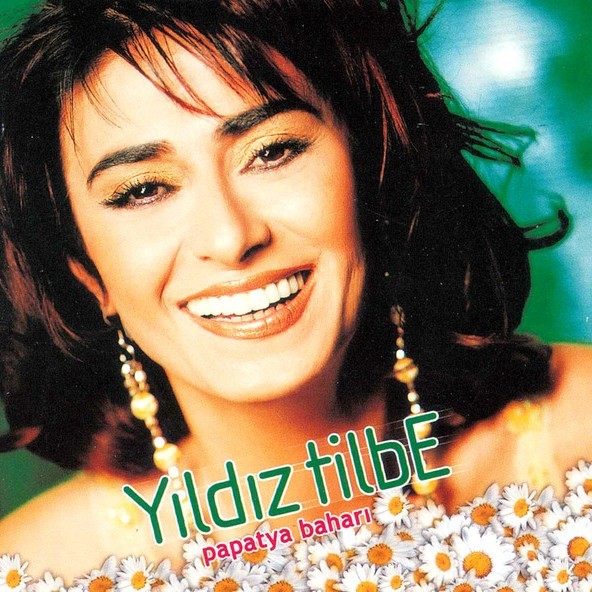
 View Artist