Song Meaning
The lyrics paint a stark picture of separation, opening with a visual of migrating flocks against a distant mountain meadow. This grand, almost epic, backdrop immediately establishes a sense of vastness and distance, amplifying the personal pain of the narrator. The dominant emotion is a profound sorrow, a grief so intense that the narrator declares this parting is worse than death itself. The repeated plea, "Geçti dost kervanı, eyleme beni" (The caravan of friends has passed, don't leave me), underscores a desperate clinging to what is lost.
The central tension arises from the irretrievable nature of the departure. The "caravan of friends" passing signifies a collective movement, a shared journey that the narrator is now excluded from. This isn't just a personal loss but a severing from a community or a significant group, leaving the narrator isolated. The image of a beloved figure seated "at the head" suggests a position of importance, making their absence or the separation from them even more devastating.
The most striking aspect of the craft is the stark contrast between the expansive natural imagery and the intensely personal, almost claustrophobic, despair. The "migrating flocks" and the "mountain meadow" are vast, impersonal forces, while the narrator's suffering is acutely specific: a "beauty's face" that lingers, a "lover's sorrow" that consumes. This juxtaposition highlights how external events, like a departure, can trigger an overwhelming internal crisis, making the world feel empty and hostile.
This song hits hard because it translates a universal feeling of being left behind into visceral, almost physical terms. The repetition of the core lament, coupled with the declaration that separation is "worse than death," creates a powerful sense of enduring anguish. The lyrics don't offer resolution, instead trapping the listener in the narrator's immediate, raw pain, making the feeling of loss palpable and deeply resonant.
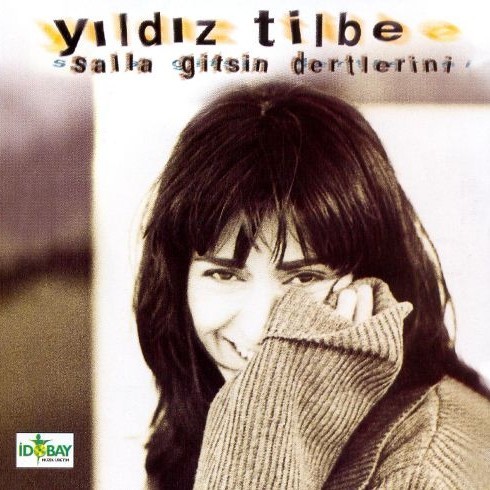
 View Artist