Song Meaning
The lyrics paint a stark picture of finality and the quiet dissolution of a relationship. The repeated refrain, "אין לי יותר מה לומר" (I have nothing more to say), immediately sets a tone of resignation. It's not an angry outburst, but a weary acceptance that the words have run out, and with them, the connection. The past is acknowledged as gone, and the future is framed as a definitive separation, leading to the poignant realization that they will become strangers. This isn't a dramatic breakup; it's the quiet fading of what was once significant.
The central tension lies in the contrast between the past intimacy and the present estrangement. The narrator anticipates a future where a chance encounter on the street would go unnoticed, a stark departure from the implied warmth of past greetings like "אקדמך בנשיקות" (I would greet you with kisses). This imagined future highlights the depth of the loss, emphasizing how easily someone once so close can become just another face in the crowd, "את כמו אחרים" (you are like others).
The most striking aspect of the writing is its directness and the way it strips away explanation. The question "איך זה קורה" (How does this happen) is met not with an answer, but with the blunt observation that "שדברים נגמרים" (that things end). The absence of love and songs, once presumably central to their bond, is replaced by the simple, almost brutal, fact of endings. This lack of elaborate reasoning makes the emotional weight of the situation feel even heavier, grounding the pain in a simple, undeniable reality.
What makes these lyrics resonate is their unflinching portrayal of a relationship's end without melodrama. The repeated phrases and the simple, declarative statements create a sense of inevitability. The narrator isn't seeking closure or assigning blame; they are simply stating the facts of their emotional landscape. This quiet surrender to the end, the acknowledgment that some things just cease to be, is what gives the song its profound, melancholic power.
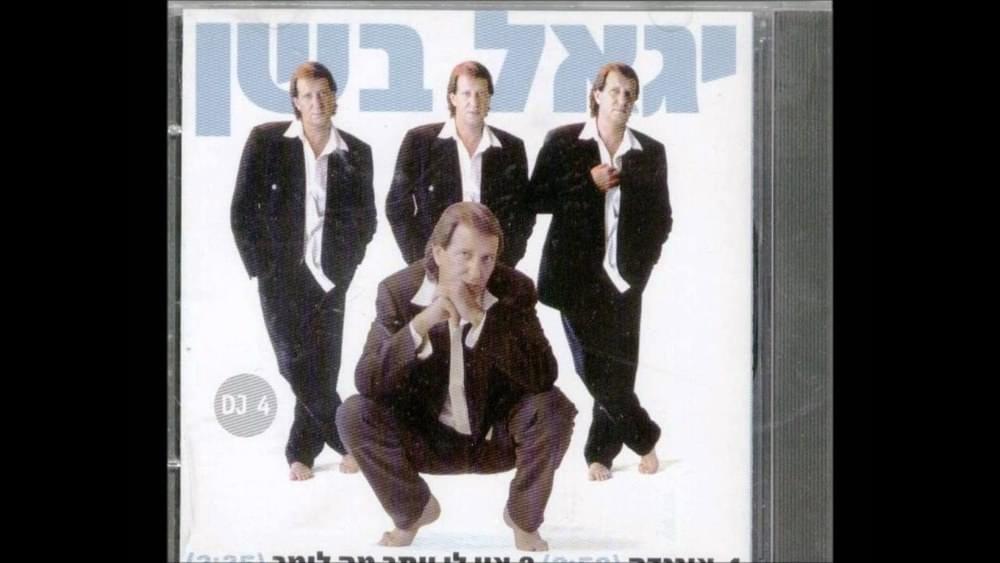
 View Artist