Song Meaning
These lyrics open with a powerful invocation of "freedom" for everyone, promising intimate protection and the sacred peace of Shabbat. It's a direct, hopeful call for divine blessing and rest.
The core emotional tension here lies in the contrast between present hardship and a fervent desire for divine intervention. Phrases like "Batzra" and "Bavel" hint at historical or personal struggles, creating a stark backdrop for the pleas for "salvation" and the vision of a transformed "desert mountain" blooming with life. This dynamic push-pull acknowledges difficulty while steadfastly praying for a better, divinely-ordained future.
One of the most striking craft elements is the vivid, contrasting natural imagery. The idea of God protecting "like the pupil of an eye" offers an incredibly tender, precise image of care. Even more compelling is the vision of "myrtle, acacia, cypress, elm" flourishing in a "desert mountain," transforming barrenness into lushness. This isn't just a wish; it's a powerful metaphor for spiritual renewal and hope against all odds.
The cyclical structure, repeating the opening stanza at the close, creates a profound sense of enduring prayer and timeless hope. It's a comforting return, suggesting that the blessings and pleas are constant. This repetition, combined with the rhythmic phrasing and direct address to "Elohim," imbues the lyrics with a ritualistic, meditative quality, making the listener feel part of a continuous, deeply rooted spiritual tradition where faith and the promise of liberation are perpetually renewed.
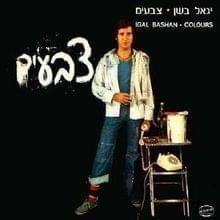
 View Artist