Song Meaning
The lyrics paint a vibrant picture of a city alive with celebration, a "Carnaval" that arrives when the "city sings again." This recurring refrain ties together disparate moments of beauty and awakening: young women are most lovely at night, trees are beautiful when their fruit is ripe, and stars shine brightest when the city is in full swing. It suggests that peak moments of beauty and joy are often tied to specific conditions, a kind of perfect alignment that the carnival embodies.
The central tension seems to be the anticipation and arrival of this collective effervescence. The questions posed – "When do the streets hum?" "When do people dream again?" – build a sense of yearning for a shared experience. This yearning is answered by the recurring image of the city singing, culminating in the "Carnaval." The lyrics suggest that this communal spirit is what allows for dreams and songs to rise, transforming the ordinary into something extraordinary.
The repeated phrase "עוד יין עוד יין" (more wine, more wine) underscores the immersive and perhaps even excessive nature of the celebration. It's a call to keep the revelry going, to not cease, mirroring the "burning night." This relentless pursuit of pleasure and connection, fueled by wine, is central to the carnival's identity. The lyrics also subtly shift perspective in the final stanza, noting that when the city is in carnival, even the "ripe fruit" (perhaps a metaphor for fleeting beauty or desire) falls beside someone, suggesting a heightened, almost overwhelming sensory experience.
Ultimately, these lyrics capture the intoxicating feeling of a city united in a moment of pure, unadulterated celebration. The craft lies in its cyclical structure and evocative imagery, linking natural beauty and human experience to the singular event of the "Carnaval." It's this sense of collective awakening and shared joy, amplified by the night and the wine, that makes the lyrics resonate as a powerful evocation of ecstatic release.
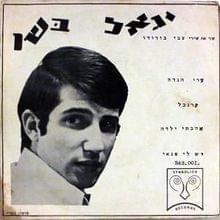
 View Artist