Song Meaning
The lyrics paint a picture of someone caught in a confusing and potentially destructive romantic entanglement. The opening lines immediately set a tone of blame deflection, with the narrator questioning why the "killer" is always blamed, suggesting a more complex, self-inflicted situation. This is underscored by the admission that a "ntalkas" (a strong longing or melancholy) is leading them into temptation, a stark contrast to their recent past of pushing women away. The repeated phrase "Kai Lege Lege" (And say say) acts as a refrain, highlighting the overwhelming, perhaps deceitful, talk that has led the narrator to become unintentionally entangled.
The central tension arises from this unexpected entanglement and the narrator's struggle to reconcile their current state with their previous self. They feel manipulated, with the other person doing whatever they please, yet the narrator acknowledges their own past independence. The lyrics suggest a sense of being overwhelmed by the other person's words or actions, leading to a loss of control and a feeling of being trapped. The narrator appears to be grappling with their own agency, questioning their choices and the circumstances that led them here.
The most striking element is the recurring line, "Κι ύστερα λένε πως φταίει ο φονιάς" (And then they say the killer is to blame). This phrase, repeated throughout, serves as a cynical commentary on externalizing responsibility for one's own downfall or mistakes. It implies that when things go wrong, people look for an external culprit rather than acknowledging internal factors or the consequences of their own actions and desires. The narrator seems to be using this phrase to critique a societal tendency, while also perhaps projecting their own feelings of being a victim of circumstance, even as they admit to being tempted.
This lyrical construction is effective because it creates a sense of ironic detachment and self-awareness, even amidst confusion. The contrast between the narrator's past self and their current predicament, coupled with the repeated, almost taunting refrain, generates a compelling emotional weight. The ambiguity of who or what the "killer" truly represents – a person, a feeling, or a destructive choice – leaves the listener pondering the nature of blame and the often-unforeseen consequences of desire and entanglement.
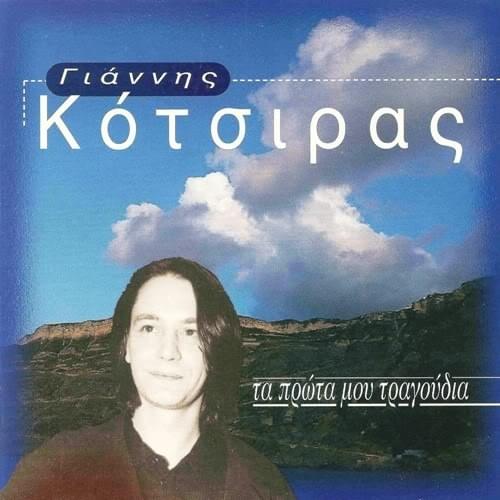
 View Artist