Song Meaning
The lyrics open with a persistent, almost cyclical internal query, framed by the recurring phrase "Dreaming and dreaming." A guiding voice offers conditional reassurance to the speaker's search for freedom and identity. This initial exchange hints that self-discovery isn't a passive gift, but an active process.
The central tension emerges from the speaker's repeated questioning, "Will I be free?", contrasted with the consistent, yet conditional, affirmations. This suggests a struggle to reconcile an inner yearning with the active steps required for self-realization. The shift from "Lost touch" to "the feeling's revealing something more" marks a pivotal moment, moving from disconnection towards dawning insight. It appears the path to freedom and authenticity is less about receiving answers and more about internal transformation.
A key craft element lies in the evolving nature of the guidance offered. Initially, freedom comes "when you know it" and identity "if you can show it," emphasizing internal understanding and external expression. Later, these conditions subtly shift to "when you're flowing" and "if you don't blow it," implying a more dynamic, less rigid path. This progression suggests that self-acceptance requires not just knowledge, but also adaptability and sustained effort.
The lyrics effectively build a sense of an ongoing, deeply personal quest, underscored by phrases like "Time and time, all over again." The repeated declaration "You can be saved" functions as a powerful, unwavering anchor amidst the questioning. This suggests that salvation isn't a singular event, but a continuous process of belief and action, rooted in self-awareness, love, and the "light of heritage." Ultimately, the writing empowers the listener by framing self-discovery as an achievable, albeit active, state.
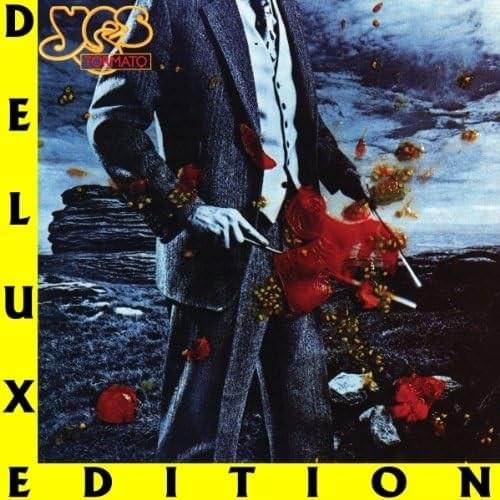
 View Artist