Song Meaning
The lyrics paint a picture of lingering regret and confusion after a relationship's end. The narrator is stuck in a "long distance runaround," a state of emotional limbo, "long time waiting to feel the sound" of resolution or connection. There's a persistent echo of a past moment, specifically the memory of a goodbye, which fuels the central question: "Did we really tell lies?" This suggests a fundamental disconnect between how the relationship ended and how it was perceived, or perhaps a self-deception that allowed the parting to happen.
The core tension lies in the contrast between the past and present, and the narrator's struggle to reconcile them. The "cold summer listening" juxtaposed with "hot colour melting the anger to stone" creates a vivid sensory image of emotional paralysis. It feels like a moment frozen in time, where past warmth has hardened into present resentment or a painful inability to move on. The repeated phrase "I still remember the dream there" implies that the reality of the goodbye has shattered an idealized vision of the relationship.
The repeated questioning, "Did we really tell lies?" and "Did we really count to one hundred?" highlights the narrator's search for concrete answers in a situation that feels ambiguous. The act of counting to one hundred is often associated with taking time to calm down or to ensure fairness, so its inclusion here suggests a desire for a rational explanation or a sense of closure that remains elusive. The final line, "Looking for the sunshine," offers a faint glimmer of hope, a desire to escape the "anger to stone" and find clarity, but it’s framed as an ongoing, perhaps futile, search.
This lyrical landscape is effective because it captures the disorienting feeling of being haunted by memories and unanswered questions. The repetition of key phrases, like the goodbye and the dream, underscores the narrator's fixation. The sensory details, such as the "hot colour melting the anger to stone," make the emotional state tangible, allowing the listener to feel the weight of this unresolved past.
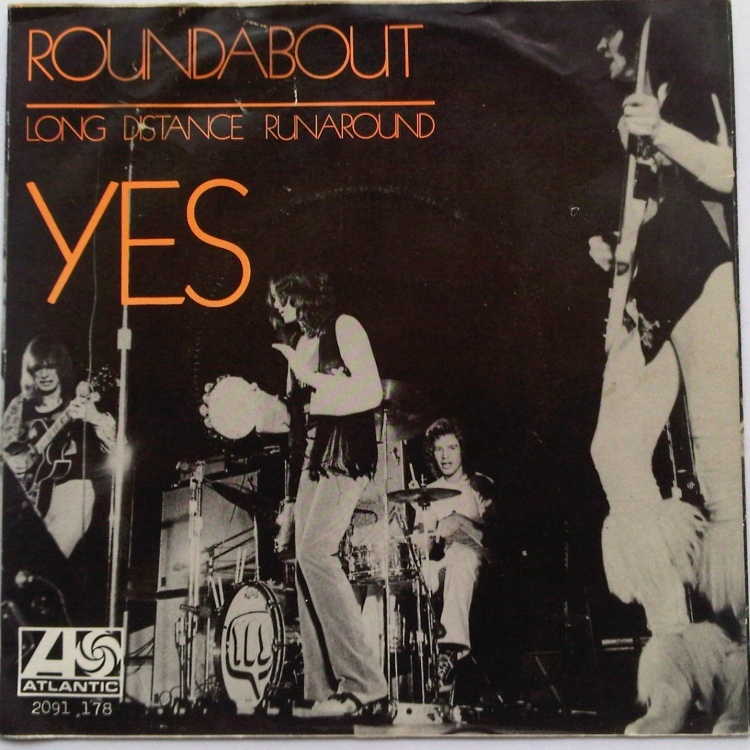
 View Artist