Song Meaning
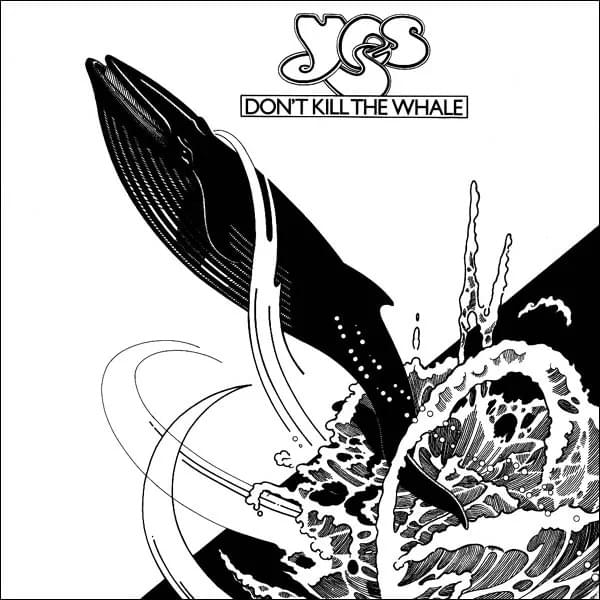
This track confronts a destructive impulse, framing it as a self-inflicted wound against a magnificent, irreplaceable entity. The opening lines immediately establish a power imbalance: "Your thirst I'm asked to justify," suggesting a demand for resources or actions that harm something vital. The narrator positions themselves as a reluctant participant, tasked with rationalizing the exploitation of "our last heaven beast." This sets up a stark contrast between the aggressor's needs and the profound loss being inflicted, all under the plea, "Don't hunt the whale."
The lyrics question the value of human progress when it comes at such a cost. "In beauty vision do we offer much?" asks if our achievements hold any real worth if they stem from a lack of empathy or foresight. The idea of "reasoning with destiny" implies a futile attempt to control or outsmart natural consequences, leading to a loss of connection: "Gonna lose our touch." This disconnect is central to the conflict, highlighting how the pursuit of human desires blinds us to the damage we cause.
The contrast between the celebratory "Rejoice they sing" and the grim reality of destruction is jarring. Those who "worship their own space" seem oblivious or indifferent to the consequences, willing to "die for the grace" of their self-centered pursuits. The lyrics then pivot to a future judgment: "We will judge all who came / In the wake of our new age to stand for the frail." This suggests a hope for eventual accountability, where future generations will condemn the actions that led to the endangerment of the vulnerable, including the whale.
The repeated, almost chant-like "Dig it" offers a strange counterpoint to the serious plea. It could be interpreted as a cynical acknowledgment of the primal, almost instinctual drive behind exploitation, or perhaps a call to truly *understand* the gravity of the situation. The outro's insistent repetition of "CETACEA"—the scientific classification for whales and dolphins—serves as a powerful, final reminder of what is at stake, transforming the plea into an elegy for an entire group of magnificent creatures.
 View Artist