Song Meaning
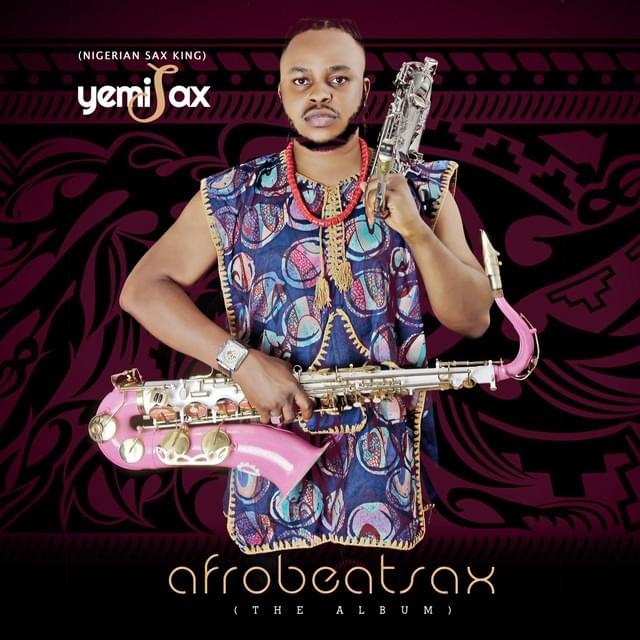
These lyrics drop us straight into a vibrant, high-energy scene. A speaker issues playful commands, asking for compliance on the dance floor. The constant presence of the saxophone isn't just a background element; it's a central character, driving the rhythm.
The core of the interaction lies in the repeated question: "If I tell you do like this / Omo sho ma do like this?" This isn't a demand, but a playful challenge, an invitation to engage. It sets up a dynamic where the listener's response is anticipated, creating a sense of shared, spontaneous movement. The speaker isn't just instructing; they're coaxing a reaction, fostering a communal vibe.
Perhaps the most striking craft choice is the rhythmic, almost chant-like sequence of phrases like "Pana," "Banana," "Ti mo ti kana," and "Go corner." These phrases, repeated verbatim, function less as narrative and more as percussive, sonic anchors. They create a hypnotic groove, reinforcing the dance-centric atmosphere. Crucially, the relentless "(saxophone)" interjections throughout the text aren't just stage directions; they embed the instrument's sound directly into the lyrical fabric, making the music itself an active participant in the call-and-response.
Ultimately, these lyrics are effective because they don't just describe a party; they *create* one. The direct address and the insistent rhythm pull the reader into the moment, making them feel like part of the interaction. The blend of clear instructions with more abstract, chant-like phrases evokes the uninhibited joy of movement, where meaning is found as much in sound and repetition as in explicit narrative. It's a masterclass in using sparse language to build an immersive, celebratory experience.