Song Meaning
The lyrics paint a picture of someone arriving at a new place, having left behind everything significant. The narrator states, "I have come here / Beyond the distant road," and "I should have nothing left / Having thrown away my heavy bag." This suggests a deliberate shedding of the past, a radical departure into the unknown. The initial arrival is marked by a sense of emptiness, a blank slate achieved through significant personal sacrifice.
The core tension arises from the contrast between the narrator's forward momentum and the lingering presence of a past life, specifically a "room" and a "you." The narrator observes the "window light / As usual," the "air of the room I loved," and "the page of the book left open." These intimate details of a shared space are juxtaposed with the narrator's decision to "not look back" and to "open the door with these hands / And see a new road." The act of leaving is framed as a necessary, albeit perhaps painful, step towards a future that is actively being sought.
The most striking aspect is the imagined continuation of the "you's" life, depicted in the repeated chorus. The narrator envisions this person "surely as usual / Laughing alone watching TV," leaving "half-drunk tea," and rising at the "sound of the bell." This creates a poignant disconnect: the narrator is moving forward, while the imagined other remains in a static, familiar routine. The repetition of this scene emphasizes the narrator's perception of an unbridgeable gap, highlighting the isolation inherent in their chosen path.
Ultimately, the effectiveness lies in this stark portrayal of chosen solitude and the quiet observation of a life left behind. The narrator's desire to "calm my eager heart" and feel "some kind of omen" points to a hopeful, almost spiritual, anticipation of what lies ahead. The repeated desire to "tell you this strange feeling now" suggests a lingering connection or a need for validation, even as they embrace their solitary "expected way."
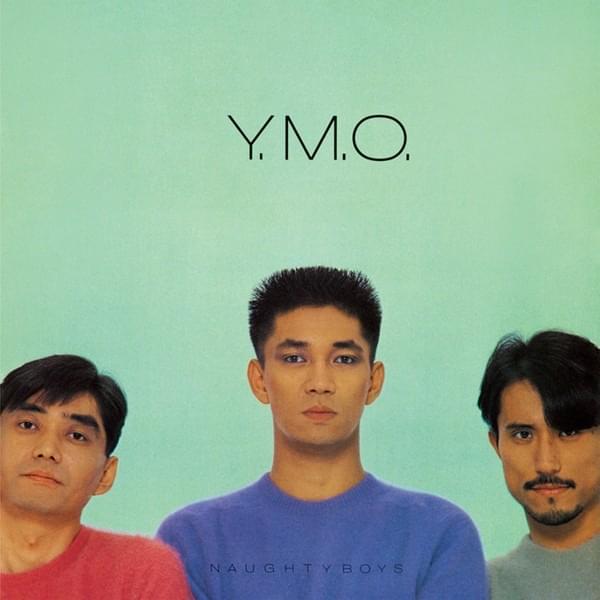
 View Artist