Song Meaning
These lyrics paint a vivid picture of a soul utterly consumed by its inherent purpose. It's a relentless, almost fated existence, driven by an insatiable hunger for experience. The dominant feeling is one of intense, singular devotion, burning bright until the very end.
The central idea revolves around a being "destined to dance" and "born to dream," later evolving to be "born to love" and even "born a flame." This isn't a casual hobby; it's an intrinsic part of their identity, a relentless current they cannot escape. The imagery of a "lonely sail in the sea" hints at the solitary nature of such a profound, singular drive, perhaps even its isolation. Yet, this isn't a struggle against fate, but an embrace of it, propelled by a "good spirit."
The lyrical craft here is striking in its use of repetition, particularly the hypnotic "עוד ועוד לבעור לרקוד" (more and more to burn, to dance). This isn't just a catchy phrase; it mirrors the insatiable drive described, creating a rhythmic urgency that pulls the listener in. The progression of light imagery – from "end of the candle" to "end of the flame" and finally "until the last shard of light fades" – powerfully illustrates a life lived to its absolute, exhaustive limit. It suggests a beautiful, yet ultimately self-consuming, passion.
These lyrics resonate because they tap into a primal human yearning for purpose and passion, but with an unflinching intensity. The narrator appears to be someone who "will not be sated," forever seeking the next moment of burning and dancing. It's the sheer, unyielding commitment to this inherent destiny, even as it leads to ultimate exhaustion, that makes this piece so compelling. The language evokes a powerful sense of living fully, without reservation, until there's nothing left.
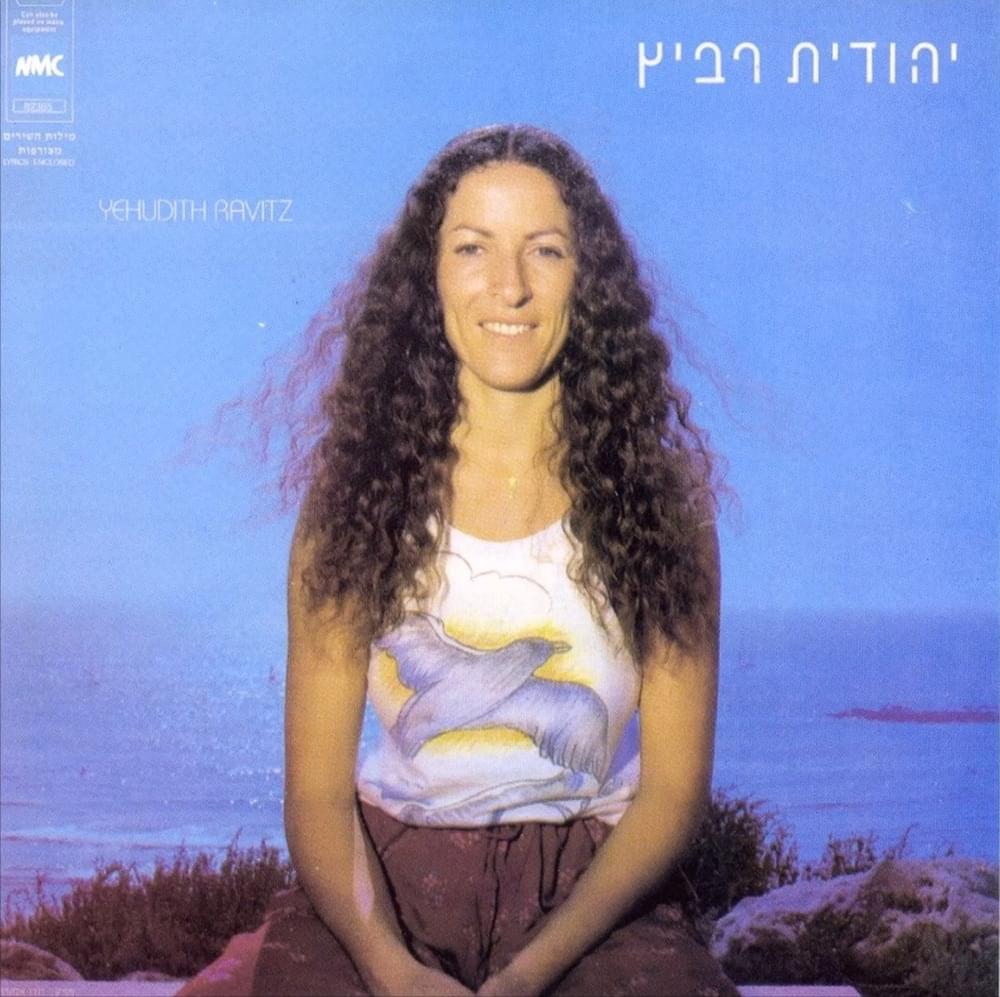
 View Artist