Song Meaning
These lyrics paint a stark picture of a soul at its breaking point, directly appealing to a higher power. The speaker, identifying as an "orphaned child," describes a life defined by an unbearable burden and a "despicable path." There's an immediate sense of profound exhaustion and a desperate plea for intervention, for life to be taken "from the night."
The central emotional tension here lies in the speaker's dual state of supplication and utter depletion. Declarations like "I will not cry / I will not speak" aren't acts of defiance, but rather the quiet resignation of someone beyond the capacity for further emotional expression. The repeated refrain, lamenting a "life of hardships" and a burden "too heavy to bear," underscores the relentless nature of the suffering, making the question "Is the end truly far from here?" a poignant cry for release.
Perhaps the most striking craft element is the subtle yet devastating shift in the imagery of the night. Initially, the plea is to be taken "from the night" – suggesting an escape from darkness and suffering. However, by the final stanza, the speaker, now identifying as a "cursed child," implores, "To the night / Take me to you." This progression suggests a journey from seeking relief *from* darkness to desiring the ultimate peace *within* it, a longing for oblivion or a return to a divine, all-encompassing darkness.
These lyrics are effective because they articulate an extreme state of human suffering with raw honesty and a profound sense of finality. The direct address to God, combined with the speaker's self-identification as both an "orphaned" and "cursed" child, creates a powerful, almost confrontational intimacy. It's the stark, unambiguous requests – to "lie silent" or "fall dead" – that truly convey the depth of this exhaustion, making the listener feel the weight of a life that has simply become too much to bear.
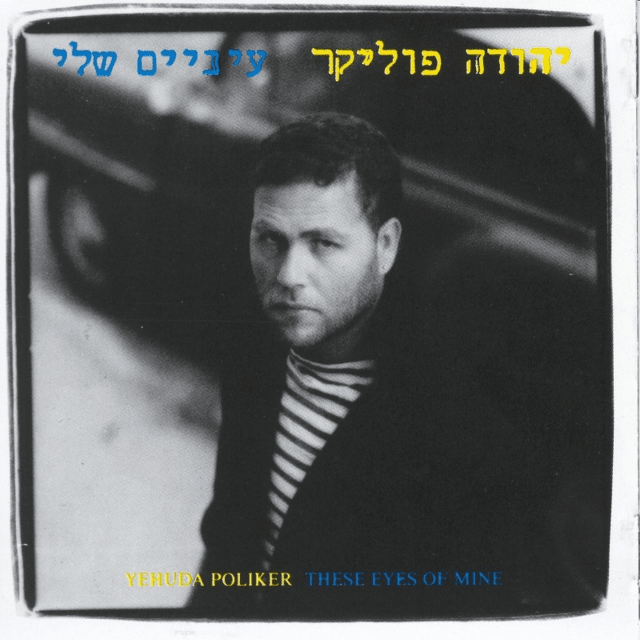
 View Artist