Song Meaning
The lyrics paint a picture of everyday mishaps, from tripping on a pebble to biting your tongue or dropping your phone. The immediate question posed is, "Whose fault is it?" Yet, the narrator quickly pivots, stating these minor stumbles aren't anyone's fault. This sets up a contrast between external blame and internal responsibility. The repeated command, "Keep your mind straight, look at the world with wide-open eyes," acts as a mantra, urging self-awareness and vigilance against life's small, self-inflicted wounds.
The core tension emerges in the chorus, a sharp turn toward regret. The narrator laments not listening to parental advice: "Should have listened to Mom" and "Shouldn't have argued with Dad." This suggests a history of youthful defiance or dismissal of wisdom, now viewed with hindsight as the source of preventable troubles. The "Ew, ew, ew" interjections feel like a dismissive, almost childish reaction to the very advice they now wish they'd heeded, highlighting a lingering immaturity even in their regret.
The most striking craft element is the juxtaposition of trivial accidents with profound parental guidance. The mundane incidents—stubbing a toe, dropping a phone—are presented as self-evident failures of attention. Yet, the narrator connects these to a deeper failure: ignoring the wisdom of their parents. This framing implies that parental advice wasn't just about avoiding minor inconveniences, but about a fundamental way of navigating the world, a way the narrator now realizes they neglected. The repeated phrase, "It's nobody's fault," becomes ironic when contrasted with the chorus's clear admission of fault for not listening.
Ultimately, the effectiveness lies in its raw, relatable portrayal of hindsight. The lyrics capture that universal sting of realizing a mistake wasn't due to bad luck, but a failure to heed good counsel. The simple, direct language and the stark contrast between minor physical blunders and major relational regrets create a powerful, almost rueful, self-assessment. It’s a quiet acknowledgment that sometimes, the biggest stumbles come from ignoring the steady hands that tried to guide us.
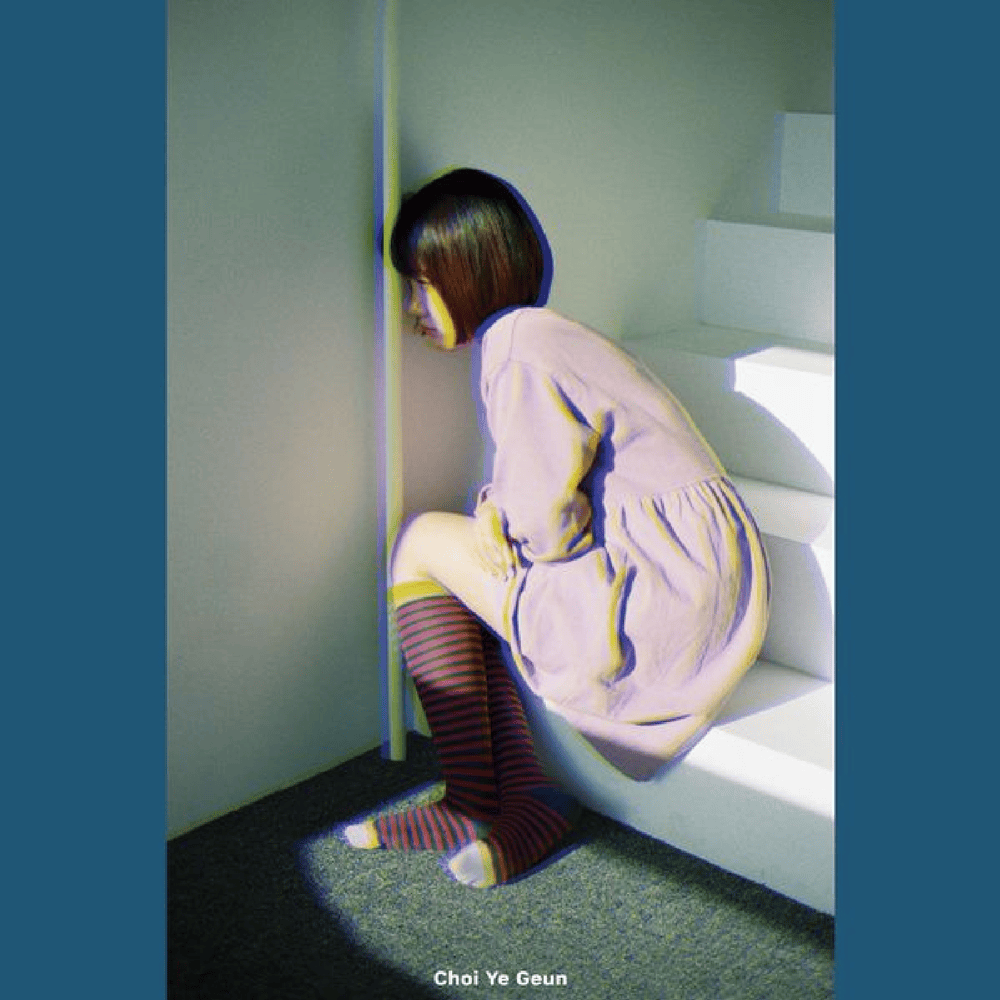
 View Artist