Song Meaning
The lyrics paint a picture of someone stuck in a monotonous daily routine, finding solace only in the lingering memories of a past relationship. The narrator starts each day the same, playing the same song, and a recurring question surfaces: "Where are you?" Fleeting news about the other person surfaces, stirring up buried emotions and prompting a desperate wish sent to the "dark night sky," hoping it reaches them. This sets a tone of longing and unresolved feelings, a quiet ache beneath the surface of an otherwise unremarkable existence.
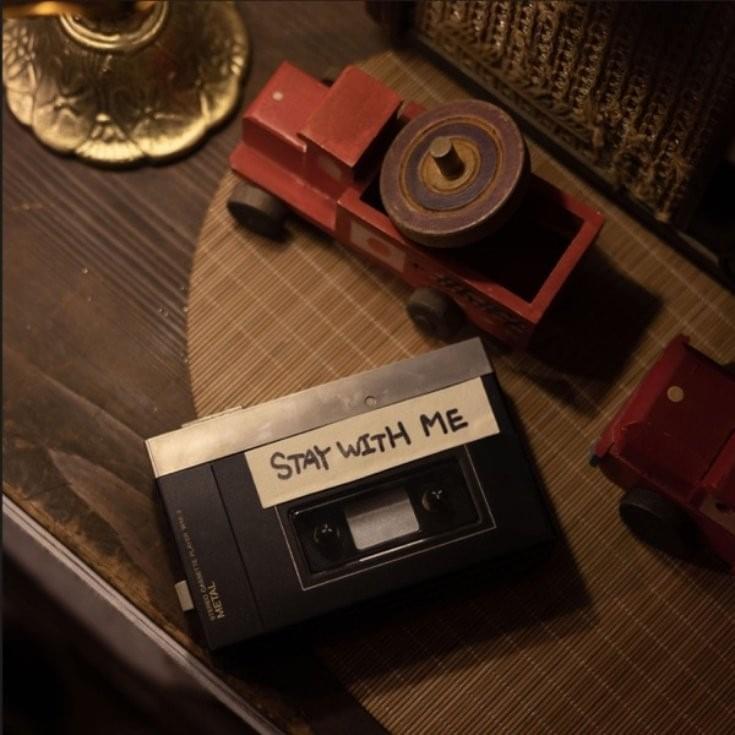
The central tension lies in the narrator's overwhelming desire to communicate but their inability to do so. "So many things I want to say to you," they admit, alongside "so many words I couldn't say." This internal conflict is amplified by the memory of the other person's face, which inexplicably brings a smile. The repeated plea, "Stay with me," becomes a desperate anchor, a simple request born from a complex web of unspoken words and cherished memories.
A striking element is how the lyrics use sensory details to bridge the gap between past and present. "Times that shone in photos" and "faded memories" are invoked, bringing the absent person closer, "beyond the faded memory." This imagery suggests that the past isn't just a recollection but a tangible force that fuels hope for a future reunion. The narrator appears to be clinging to these fragments, believing that a day will come when they can look forward to tomorrow, driven by the possibility of seeing this person again.
Ultimately, the effectiveness of these lyrics stems from their raw portrayal of yearning and regret. The contrast between the mundane present and the vibrant past, coupled with the narrator's internal struggle to express their feelings, creates a poignant emotional landscape. The simple, repeated phrase "Stay with me" lands with significant weight because it's a plea born from a deep well of unspoken emotions and a desperate hope for connection, making the listener feel the ache of what's lost and what could be.
 View Artist