Song Meaning
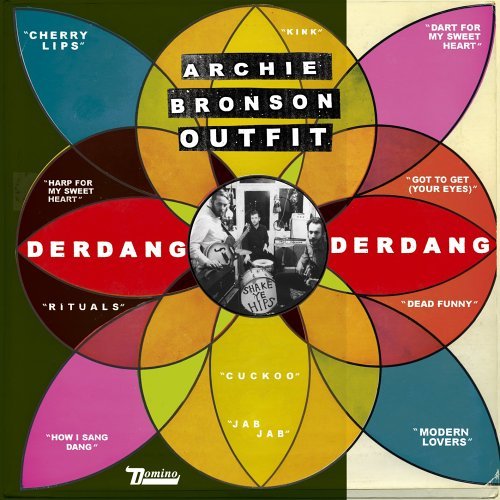
This track opens with a chillingly specific image: a "gun with a dart for my sweetheart." It immediately sets a tone of dark, almost violent affection, where love itself is weaponized. The narrator frames their desire as an ache only the beloved can cure, a plea that quickly twists into a demand to be shown their true nature, their strengths and weaknesses. The counting structure, starting from one, feels like a descent into a painful reckoning, each number marking a new stage of emotional damage or confrontation. It’s a raw, unsettling introduction to a complex dynamic.
The core tension here is the narrator's desperate, possessive love clashing with a palpable sense of hurt and rejection. Phrases like "ripped and bloodied claw" and "bunching fist that's within me" suggest a deep-seated rage or pain that the narrator is struggling to contain. This internal turmoil is mirrored in the external conflict, with "seven shiny reasons are tearing us apart." The narrator seems to be both the aggressor and the victim, caught in a cycle of inflicting and experiencing pain, all under the guise of an inescapable fate: "Love me it's your fate."
The most striking aspect of the writing is how it uses stark, almost clinical counting to catalog emotional devastation. The transition from "six little stitches thread through my heart" to "seven shiny reasons" highlights how abstract justifications can exacerbate physical or emotional wounds. Later, "nine cold crimes in the night" followed by a plea for forgiveness and "ten tears that are frozen" paints a picture of a relationship steeped in regret and emotional paralysis. The narrator’s self-awareness, admitting "I know, I'm not your favourite man," adds a layer of pathetic vulnerability to their aggressive declarations.
What makes these lyrics hit so hard is their unflinching portrayal of a toxic codependency. The narrator’s language is aggressive and demanding, yet laced with a desperate need for validation and a recognition of their own failings. The final lines, "Twelve I'll take you like only I can," are a chilling assertion of control born from deep insecurity. It’s this uncomfortable blend of menace and vulnerability, of love as both a wound and a weapon, that creates such a potent and disturbing emotional landscape.
 View Artist