Song Meaning
The lyrics paint a picture of a gritty, possibly transactional relationship fueled by desperation and a cynical kind of pleasure. The opening lines, with "tyre rubber starts burning" and "before the table starts turning," suggest a sense of urgency and impending change, a race against time or a shift in power dynamics. There's a feeling of things being "souped up, jacked up, cracked up, stacked up," hinting at a chaotic, perhaps illicit, scene where characters like Louie and Charlie are involved in something clandestine or dangerous. The repeated question, "And don't it make you feel good?" hangs heavy, dripping with irony.
The central tension seems to revolve around a transactional dynamic, where one person is providing for another, but not in a way that suggests genuine care. The line "Somebody feeds her, sure ain't the State Farm" directly contrasts the idea of insurance or security with the harsh reality of who is actually providing sustenance, money, and vices like "liquor" and "powder." This implies a relationship built on necessity or exploitation rather than love or commitment, with the narrator observing this exchange with a detached, almost predatory gaze.
The narrator's perspective shifts from an observer to someone more directly involved, or at least intensely focused, on the subject. The lines "Don't mind me honey / I'm just looking / Smelt your chicken / And I watched you cooking" create an unsettling intimacy, a voyeuristic stance that turns into a judgment: "You're a bad stain / And you need to be cleaned up." This shift from passive observation to active condemnation, coupled with the earlier ironic question about feeling good, highlights a complex emotional landscape where satisfaction is derived from witnessing decay and the desire to purge it.
Ultimately, the effectiveness of these lyrics lies in their stark, unvarnished portrayal of a morally ambiguous situation and the unsettling pleasure derived from it. The juxtaposition of the mundane (State Farm, cooking chicken) with the illicit (powder, cannibalism implied) and the constant, almost taunting, refrain of "And don't it make you feel good?" forces the listener to confront uncomfortable feelings about desire, dependency, and the dark side of human interaction. The writing crafts a vivid, albeit bleak, snapshot of a world where survival and a twisted sense of satisfaction override any notion of wholesome connection.
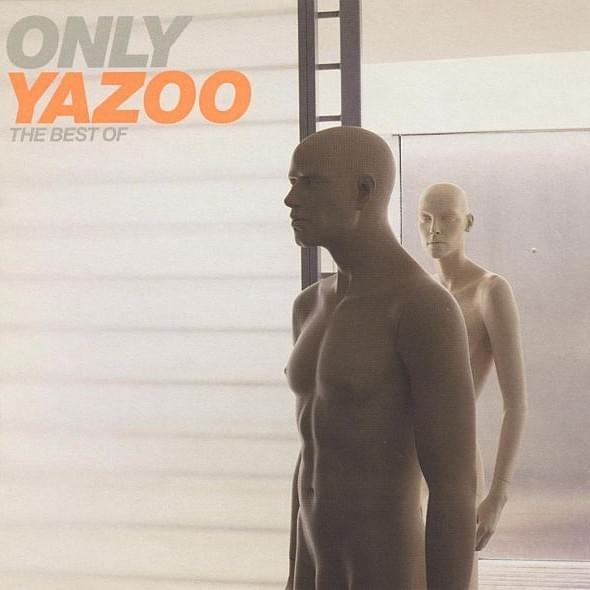
 View Artist