Song Meaning
The lyrics paint a disorienting picture of being trapped in a cycle of stagnation and self-deception. The opening lines, "Too well read to know my name" and "The cart before the foal," immediately establish a sense of intellectual detachment from self and a perversion of natural order, suggesting a mind that overanalyzes to the point of losing its own identity. This is compounded by imagery of being "Left empty on my side" and a "Frenzied sprint towards a door / Led down a hall with no end," which evokes a desperate, futile search for escape or resolution that never arrives.
The dominant emotional tone is one of oppressive stasis, amplified by the stark description: "The lack of color and light / Made that moment last months." This sensory deprivation and temporal distortion highlight the psychological weight of the narrator's predicament. The repeated refrain, "Seasons turn / Mouths agape / Count the hours / Mix the paint," underscores a cyclical, yet unproductive, existence. The turning seasons offer no progress, the open mouths suggest bewilderment or passive observation, and the counting of hours while mixing paint implies a tedious, repetitive, and ultimately meaningless task.
The most striking aspect of the writing is the exploration of internal fragmentation and self-absorption. Phrases like "This collection of interselves" and "A flood of narcissism" point to a fractured identity where different aspects of the self are at odds or excessively focused inward. The repeated action of "Limp back and find relief" suggests a pattern of retreating to a familiar, albeit unhealthy, state rather than confronting the issues. The "illusion of stasis" is particularly potent, indicating a false sense of stability that masks a deeper, unresolved turmoil.
Ultimately, these lyrics resonate because they articulate a profound sense of being stuck, not just externally but internally. The meticulous detailing of a mind lost in its own labyrinth, unable to find genuine relief or forward momentum, captures a specific kind of modern existential dread. The craft lies in its stark imagery and repetitive, almost incantatory, structure, which mirrors the very paralysis it describes, making the listener feel the suffocating weight of this inescapable loop.
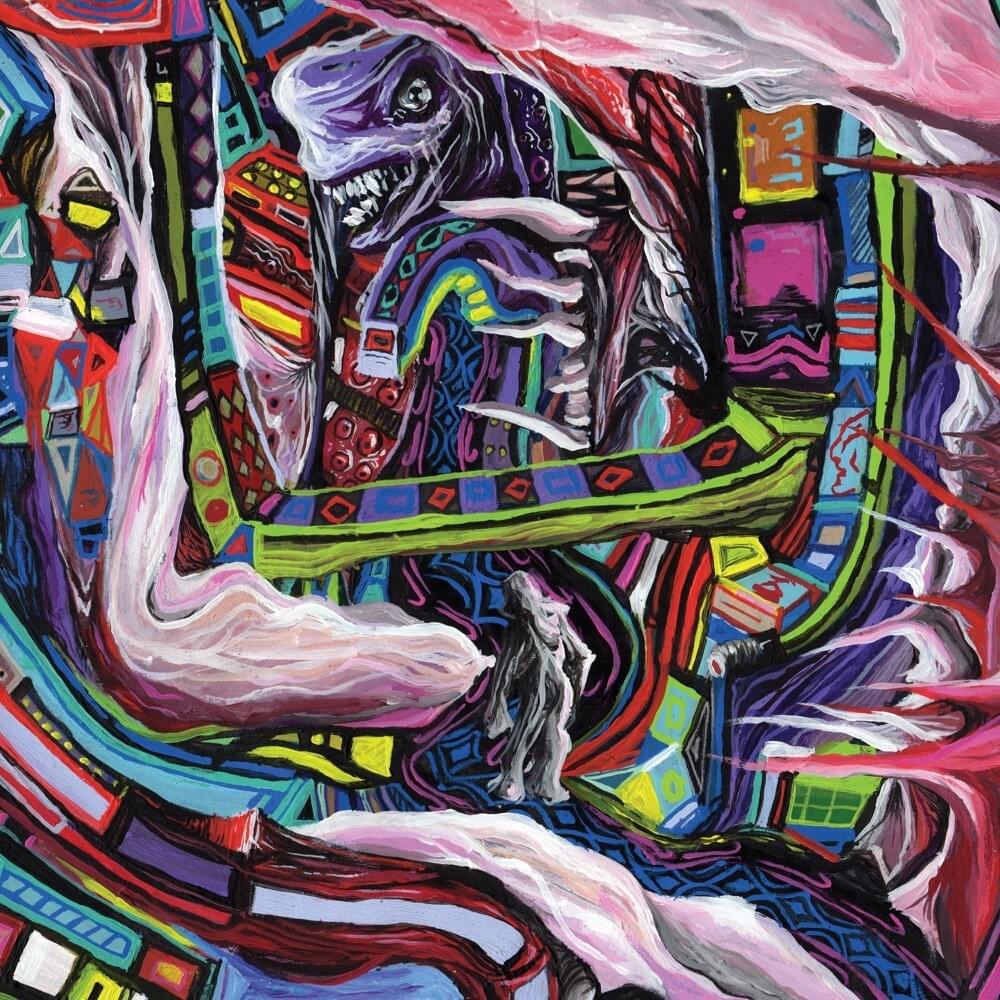
 View Artist