Song Meaning
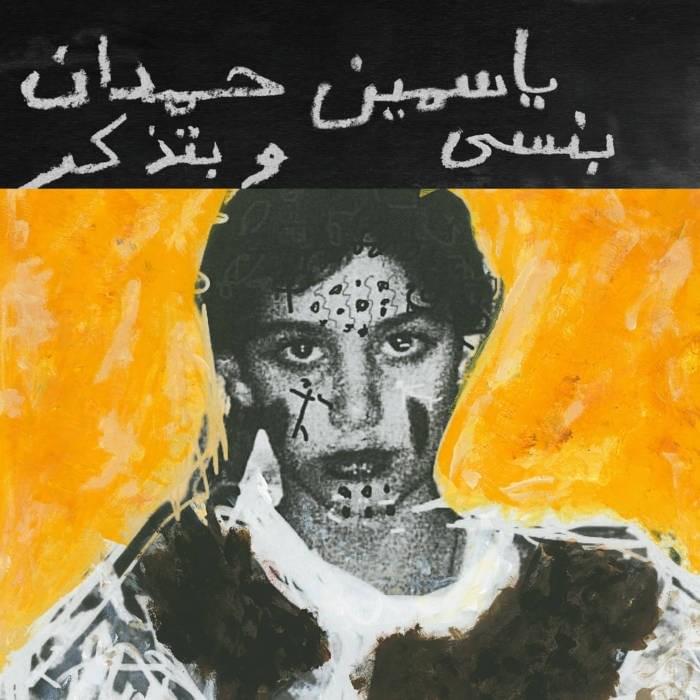
The lyrics present a stark, almost numb acceptance of pervasive negativity, framed by the recurring Arabic phrase "بنسى وبتذكّر" (bansa w betzakkar), which translates to "I forget and I remember." This duality forms the core tension: the act of remembering is intertwined with forgetting, suggesting a coping mechanism or a desensitization to a world where "normal" has become synonymous with moral decay and personal failure. The opening "أويها" (oueiha) is a traditional Arabic vocalization, often used in lament or celebration, here setting a tone that feels both ancient and immediate.
The narrator lists a series of transgressions – killing, lying, incompetence, stealing, manipulation, intimidation – and repeatedly labels them "عادي" (adi), meaning "normal." This isn't a passive observation; the English "I remember to forget" implies an active, conscious effort to reconcile these disturbing realities. It suggests a mental process where remembering these negative aspects is necessary to then actively forget them, or perhaps to accept them as part of an unchangeable, "normal" state of being. The phrase "It's foul from within" directly anchors this corruption internally, not just externally.
The most striking craft element is the relentless repetition of "عادي" (normal) and the parallel structure of the accusations. This creates a suffocating rhythm, mirroring the feeling of being overwhelmed and resigned. The juxtaposition of "I remember to forget" with the litany of "normal" evils highlights a profound internal conflict. The narrator is not simply observing chaos; they are actively engaged in a mental process of remembering these things in order to, it seems, make them "normal" enough to bear, or to forget the shock they once caused.
This lyrical construction is effective because it bypasses explicit emotional outcry and instead builds a chilling sense of resignation. The "normalcy" of such severe actions creates a powerful, unsettling atmosphere. The listener is left to grapple with the implication that this internal "remembering to forget" is the only way to navigate a world where the worst aspects of human behavior have become commonplace, a quiet acknowledgment of a deeply compromised reality.
 View Artist