Song Meaning
The lyrics paint a stark, almost ritualistic scene, beginning with a somber procession "Под руки в степь" (Arm in arm into the steppe). There's a palpable sense of seeking absolution or forgiveness, hinted at by "может, простят" (maybe they will forgive). The imagery shifts from personal burdens like "камень на шею" (a stone on the neck) to societal or collective actions like "Знамя на штык" (banner on a bayonet), suggesting a complex interplay between individual suffering and broader, perhaps violent, movements.
The dominant tension seems to be between a desperate search for peace or release and the harsh realities that prevent it. Phrases like "Сжатые рты" (clenched mouths) and "время вперед" (time forward) suggest a forced march, a suppression of emotion, and an inexorable, perhaps unwelcome, progression. The contrast between seeking solace ("о вере" – about faith, "к сердцу платок" – a kerchief to the heart) and the harshness of the journey ("сон под колеса" – sleep under the wheels, "вены дрожат" – veins tremble) creates a profound sense of unease and resignation.
The craft here is in the relentless accumulation of contrasting, often jarring images. We see intimate gestures like "платок" (kerchief) juxtaposed with instruments of conflict like "штык" (bayonet), and symbols of hope or peace like "светлый босой" (bright barefoot one) alongside images of entrapment or despair like "козел в огород" (goat in the garden) or "на поводке" (on a leash). The final lines, "Угол, свеча, стол, образа..." (Corner, candle, table, icons...), evoke a sense of finality and perhaps a quiet, domestic reckoning, a stark contrast to the earlier, more public or sweeping imagery.
This lyrical tapestry is effective because it avoids explicit narrative, instead relying on potent, fragmented images to evoke a deep, unsettling emotional state. The repetition of "стаи летят" (flocks fly) acts as a recurring motif, a natural phenomenon that perhaps mirrors the unstoppable, collective movement of the people described, carrying with it a sense of both freedom and inevitability. The ambiguity allows the listener to project their own feelings of burden, hope, and the search for peace onto the stark, evocative landscape presented.
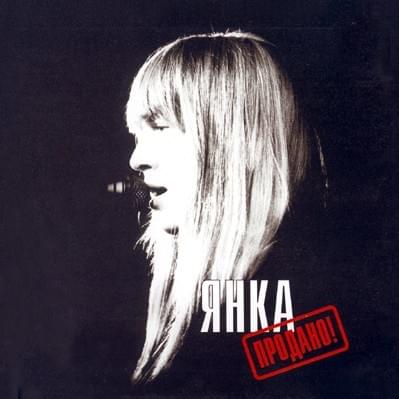
 View Artist