Song Meaning
The lyrics paint a picture of intense, almost overwhelming connection, tinged with a sense of unease. The narrator feels seen and understood by someone, to the point where their gaze feels like a memory. This profound recognition, however, is disorienting, making the narrator question if it's destiny and why this feeling makes them feel renewed yet also troubled. The contrast between the narrator's internal turmoil and the other person's apparent calm is stark, suggesting a dynamic where one is deeply affected while the other seems unfazed.
The central tension arises from this perceived intimacy clashing with the narrator's own struggles. The repeated imagery of thirst and dryness, like the "Sahara," points to a deep-seated need or longing. The narrator offers themselves readily, breaking promises and seeking validation, hoping this connection might be "destiny." Yet, there's a vulnerability in their actions, a willingness to give everything, even if it's just for a "night," suggesting a desperate search for solace or belonging.
The craft here is in the juxtaposition of raw emotional offering and a detached, almost transactional approach to connection. The narrator claims they "treat me bad, I'm okay," and offers comfort and shelter, even a "one-night stand," all while seeking recognition. This creates a complex portrait of someone who is both giving and guarded, yearning for genuine understanding while engaging in superficial exchanges. The phrase "you know it all, you give it to me" highlights this dynamic of perceived omniscience and passive reception, further complicating the emotional landscape.
Ultimately, the effectiveness of these lyrics lies in their portrayal of a deeply human desire for connection that becomes entangled with self-destructive patterns and a questioning of fate. The narrator's internal conflict—feeling both renewed and distressed by this intense connection—resonates because it captures the confusing, often painful, experience of seeking love or validation in ways that might not be healthy. The lyrics suggest a cycle of giving and receiving that, while seemingly intimate, leaves the narrator feeling exposed and uncertain.
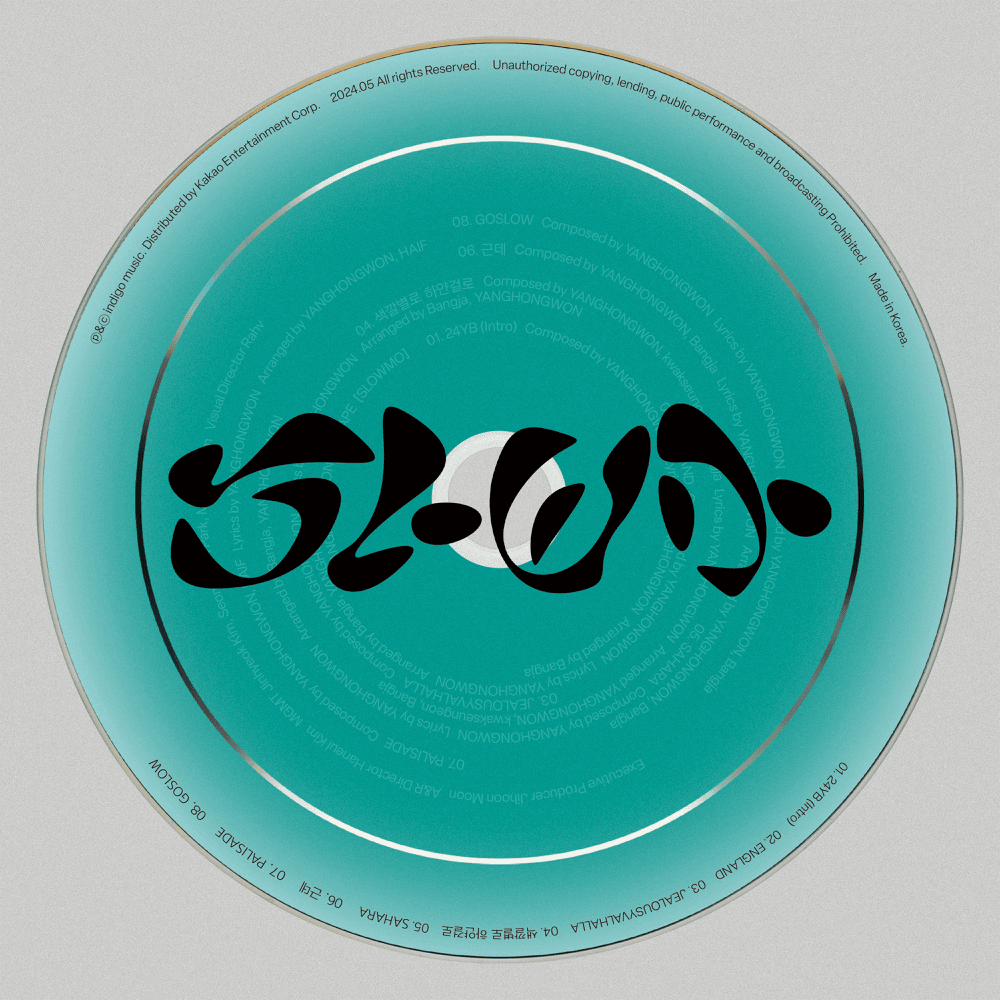
 View Artist