Song Meaning
The lyrics open with a direct, almost whispered repetition of "Libre, libre," immediately setting a tone of yearning for freedom. This isn't just a casual declaration; it's the core of the narrator's emotional state, a state that seems paradoxically tied to another person. The initial verses describe a friendship that's clearly evolving, with the narrator admitting, "Lo que sentimos me parece / Que es un poco más / Un poco más que amistad." This hints at a burgeoning romantic connection that feels both exciting and potentially overwhelming.
The central tension arises from the narrator's desire for this connection to become something more, even as they grapple with the concept of freedom. They express a profound need for the other person, comparing it to essential elements: "Te necesito para respirar / Como la arena necesita / Que la bese el mar." Yet, the chorus introduces a fascinating paradox: "Mi corazón está libre, libre / Libre para ti / Átame que quiero ser libre, libre / Libre como soy / En la cárcel de esta pasión." This is the crux of the song – the narrator wants to be bound, to be 'tied,' precisely because it allows them to be their truest, freest self within the context of this intense passion.
The most striking lyrical device is the juxtaposition of "libre" (free) with being "atada" (tied) and the imagery of a "cárcel de esta pasión" (prison of this passion). The narrator doesn't see being tied to this person as a restriction, but rather as the very condition that enables their freedom. It suggests that true freedom, for them, is found not in solitude but in a deep, committed connection where they can be completely authentic. The bridge further emphasizes this with the lines, "No hay forma de atar a dos que quieren volar / No hay cómo frenar las ganas de amar," suggesting that while external forces can't bind them, their own shared desire for love and freedom can create a unique, self-imposed bond.
This lyrical construction is effective because it taps into a complex emotional truth: sometimes, the most liberating experiences are those where we willingly surrender to something greater than ourselves. The repeated "Libre" isn't just about being unattached; it's about being free *to* love, free *to* feel this intensely, and free *to* be oneself within the safety of a passionate bond. The song captures that exhilarating, slightly terrifying moment when friendship teeters on the edge of something profound, and the narrator is ready to dive in, embracing the paradox of being bound and free simultaneously.
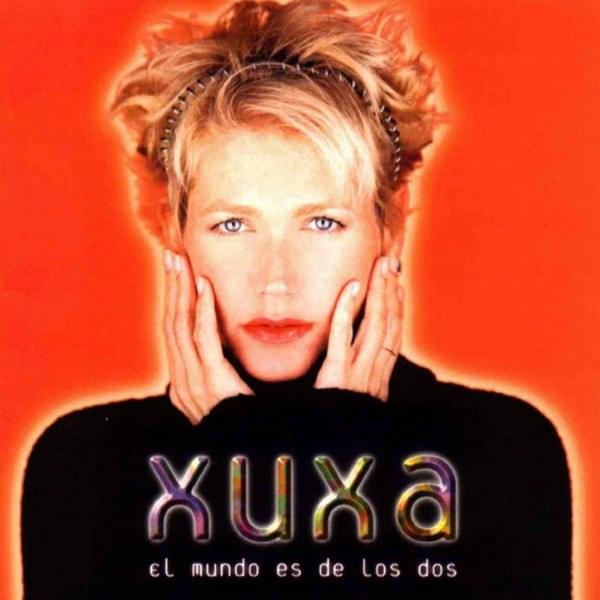
 View Artist