Song Meaning
This song paints a picture of pure, unadulterated idealism, presenting a persona who wishes to be a benevolent force. The narrator offers themselves as a "fairy godmother" and a "symbol of peace," driven by an innate desire "to do good." This isn't about grand gestures, but about a simple, almost childlike wish to infuse the world with kindness and affection, particularly for children. The core of this persona is a desire for connection and a gentle, magical influence.
The central tension lies in the contrast between this aspirational, almost utopian vision and the simple, repetitive act of counting. The repeated "Un, dos, tres" grounds the fantastical imagery in a very basic, almost instructional rhythm, suggesting that this profound desire for peace and goodness starts with the most fundamental steps. It's as if the magic itself requires a simple, childlike foundation to be built upon. This counting also builds anticipation for the final, direct plea: "And you have to hug me."
The most striking element is the juxtaposition of "fairy godmother" and "little sister." While a fairy godmother implies a magical, perhaps distant benefactor, the wish to be a "little sister" brings a grounded, familial intimacy. This blend suggests a desire to offer support and magic, but from a place of genuine, close connection rather than detached power. The lyrics propose that true goodness and peace are born from this kind of heartfelt, personal bond.
Ultimately, the effectiveness of these lyrics comes from their earnest simplicity. They bypass complex adult cynicism, offering a direct appeal for a world filled with "affection" and "kindness," where "the whole world belongs to children." The repetitive counting and the final request for a hug make this idealistic vision feel accessible and deeply human, transforming abstract notions of peace into a tangible desire for embrace.
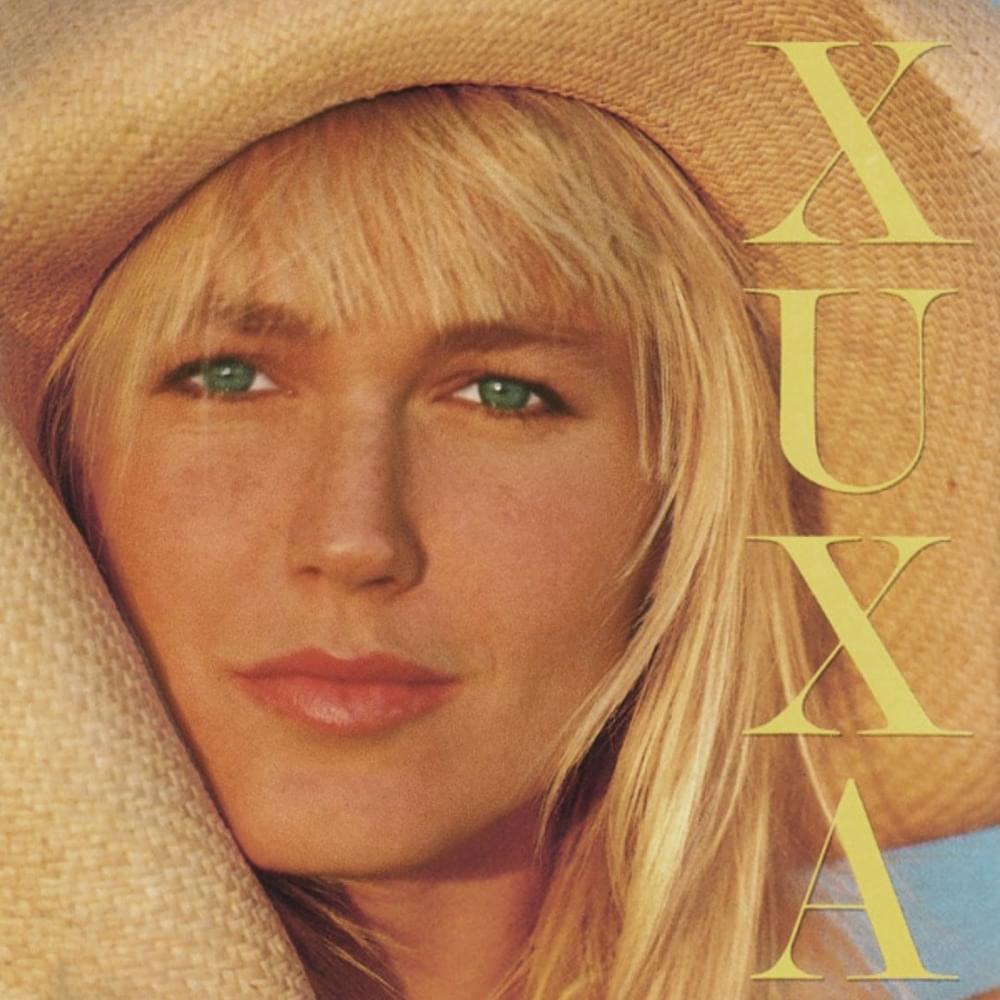
 View Artist