Song Meaning
The lyrics immediately plunge into a high-energy dance party, urging "baixinho" (little ones) to "rebolar" (shake their hips). It's a boisterous call to action, promising a song so loud it will "a cidade vai acordar" (wake the city up). The tone is playful and commands immediate, physical engagement.
This initial invitation quickly gives way to a comedic portrayal of the band itself, introduced with names like "Dengue na guitarra" and "Praga no tambor." The declaration "Essa banda é um terror" isn't a threat, but rather sets up the central comedic tension: a group so hilariously inept and chaotic that their performance is less about musical precision and more about unbridled, slightly disastrous fun. The "Paquitas a dançar" are also quickly revealed to be more interested in "rebolar," hinting at a playful subversion of traditional dance.
The lyrics truly shine in their use of absurd, vivid imagery to describe the band's incompetence and the dancers' over-enthusiasm. "O dengue desafina que até arrepia o sovaco da sua tia" is a masterclass in gross-out humor, painting a picture of truly terrible musicianship. Similarly, "O praga distraído... confundindo o tambor com o bundão do Agenor" creates a memorable, slapstick moment. These lines don't just tell us the band is bad; they show us with hilarious, specific detail, making the listener visualize the chaotic scene.
This comedic exaggeration extends to the consequences of the relentless dancing. The "Paquitas coitadinhas" end up "no hospital" from too much "rebolar," and "Moderninho" dances so much "que careca ele ficou" (that he went bald). These hyperbolic outcomes, delivered with a straight face, amplify the song's playful, anarchic spirit. The effectiveness lies in how the lyrics build a world where enthusiasm trumps skill, and every action, no matter how simple, leads to an outlandish, laugh-out-loud result, creating a sense of joyous, uninhibited chaos.
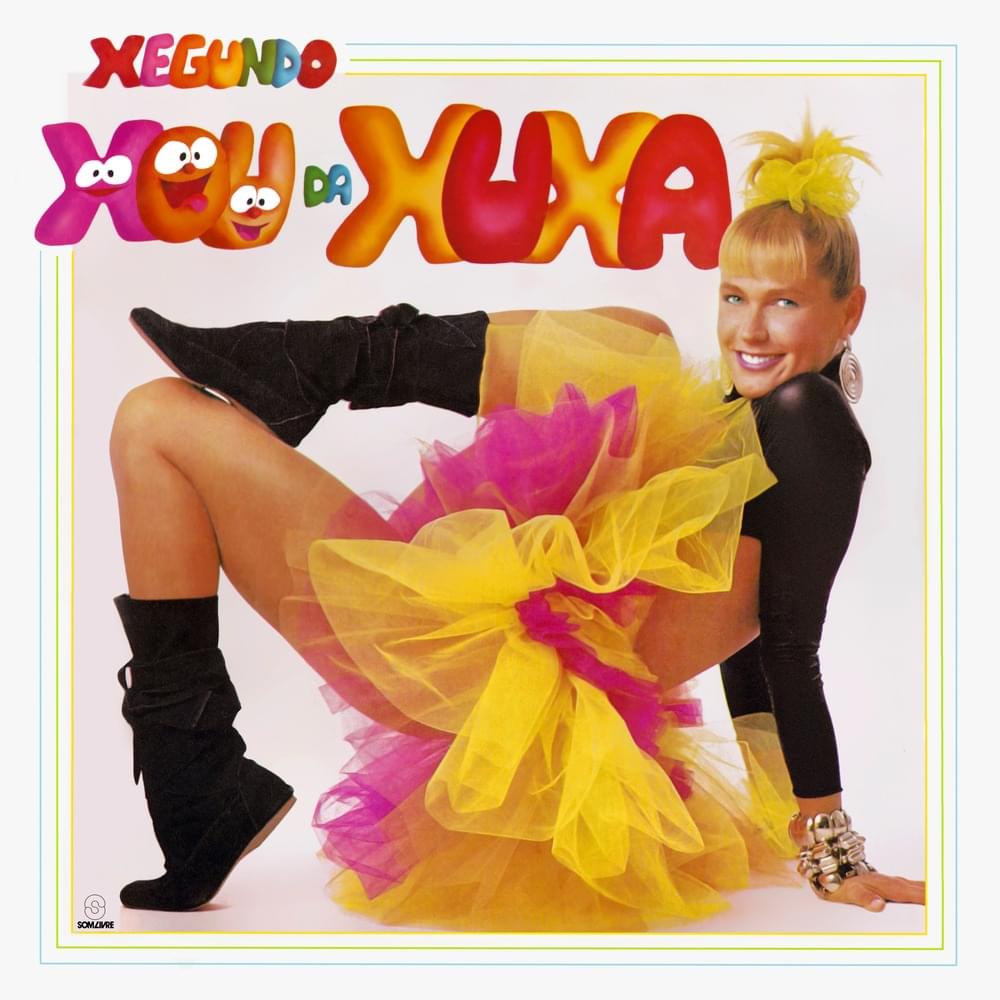
 View Artist