Song Meaning
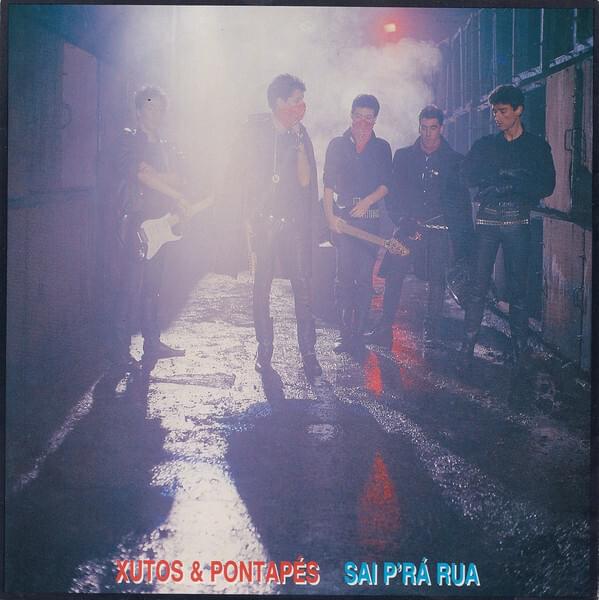
The lyrics to "Sai P'ra Rua" are a blunt, insistent call to action. They paint a picture of time wasted and opportunities missed due to indecision and a fear of risk. The central command, "Sai p'ra rua" (Go out to the street), rings out with urgent clarity. It's a direct challenge to complacency.
The core tension here lies between the comfort of inaction and the necessity of engagement. The narrator points to "tempo que perdes para decidir," highlighting a deep regret over squandered potential and the "espaço que te foge das mãos." This isn't just about leaving a physical space; it's about abandoning a mental state of passive observation for one of active participation. The lyrics suggest a profound dissatisfaction with a life lived on the sidelines.
The most striking craft element is the vivid, almost primal imagery in the chorus: "Deixa o rebanho, pára de pastar." This metaphor powerfully equates passive existence with animal-like conformity, stripping away any dignity from staying put. It's a sharp, almost confrontational image that immediately creates a sense of urgency. Paired with "esquece o conforto do lar," it frames the street not as a threat, but as the only path to genuine self-discovery and agency.
These lyrics are effective because they don't just advise; they demand. The relentless repetition of "Sai p'ra rua" isn't merely a catchy hook; it's a rhythmic, almost hypnotic insistence that builds throughout the song, culminating in the outro's six-fold chant. This structural choice reinforces the message that personal truth and decisive action are not optional, but essential. The lyrics cut through excuses, pushing the listener toward a necessary confrontation with the world outside their comfort zone.
 View Artist