Song Meaning
The lyrics paint a stark picture of internal turmoil masked by a facade of normalcy, or perhaps a desperate attempt to find solace in external distractions. The opening imagery of "a hundred beautiful princesses" ready to "die for treasures" and wear an "upside-down cross" for a "monster" sets a tone of desperate, almost sacrificial pursuit of something hollow. This is juxtaposed with "a hundred paper hearts" ready for "a fight," suggesting a widespread, yet fragile, emotional readiness for conflict or emotional investment that ultimately leads to disappointment, as "the eighth of the wonders / Will turn out to be a monster." This establishes a core theme of disillusionment and the deceptive nature of what appears valuable or safe.
The narrator's plea to a "doctor" reveals a deep sense of alienation and emotional numbness. The world is described as "black and white cinema," and despite being surrounded by people, the narrator feels "lonely anyway." The futility of external remedies is emphasized: "even a stack of money won't help," and the narrator admits to having "no soul left." The feeling of being lost is palpable, with the line "They taught me to chase, but no one told me where the stop button is," highlighting a lack of control and an inability to self-regulate, leading to a pervasive sense of being an "alien even at home."
The chorus offers a dismissive diagnosis: "Dear, it's an autumn exacerbation / Changeable mood." This external perspective, likely from the "doctor," attempts to normalize the narrator's distress, suggesting it's a common, temporary state. The advice to "distract yourself, you're not sick, everyone is like this now" and the mention of "the main clown — Holly — is in town, there's a show and laughter" serve as a superficial solution, directing attention outward to entertainment and collective experience rather than addressing the root cause of the pain. The repetition of "changeable mood" and the emphasis on the clown's show underscores a societal tendency to gloss over deep-seated issues with fleeting distractions.
The outro delivers a final, poignant twist. The narrator thanks the "dear doctor," sarcastically noting they might "get rid of this wild pain" after receiving such advice. The true sting comes with the confession, "Honestly, I feel like an idiot / Forgot to introduce myself: my name is Holly." This reveals the narrator *is* the clown, the source of the distraction, and the one experiencing the "autumn exacerbation." The entire interaction with the doctor was a projection or a self-deception, highlighting the profound isolation and the desperate, internal nature of the pain that even the performer of joy cannot escape.
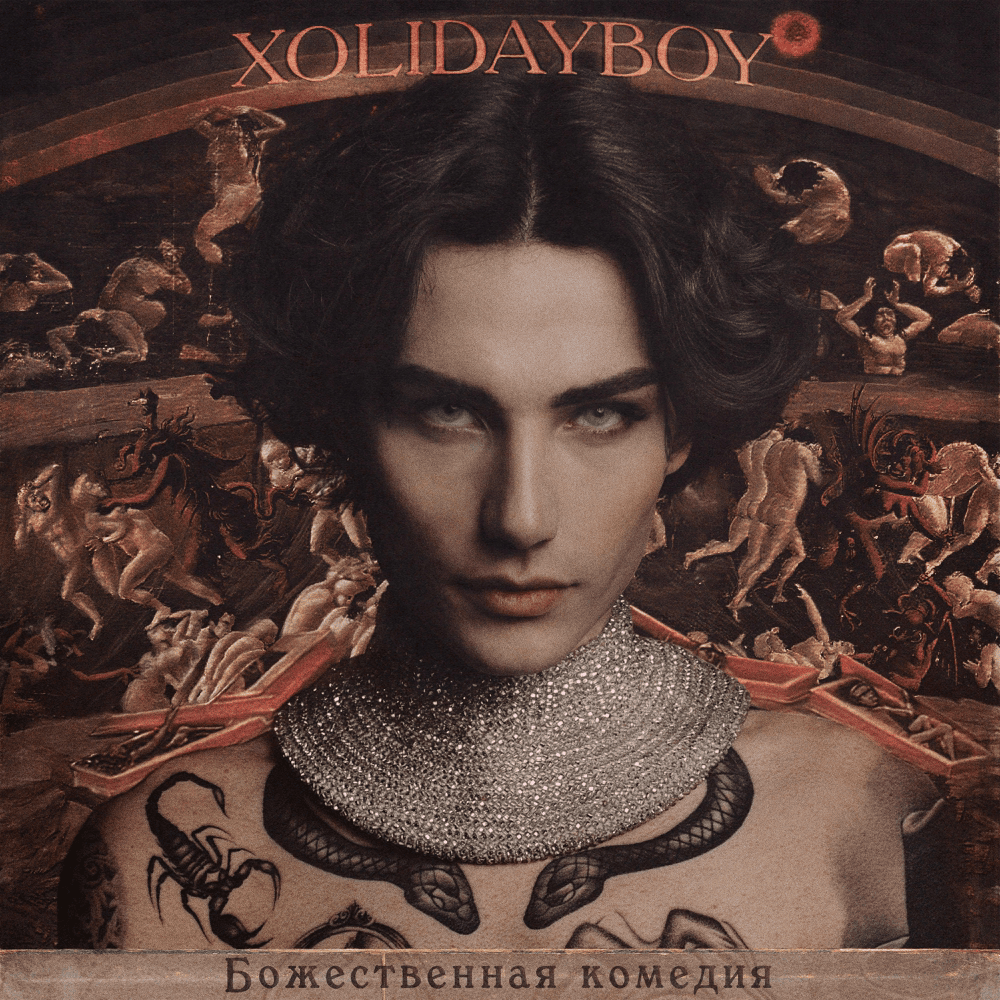
 View Artist