Song Meaning
The lyrics paint a bleak, almost apocalyptic picture of a community under siege, where religious imagery is twisted into symbols of despair. The "blood of the lamb," traditionally a sign of salvation, here becomes a pervasive, almost suffocating force, a "flood" that can't wash away the town's "losing" status. A "serpent" and a "devil" actively corrupt their hopes and prey on their suffering, turning sacred elements into tools of torment. The "moon as red as the blood of our prayers" suggests a divine indifference or even a shared despair, mirroring the community's own anguish.
The central tension lies in the perversion of faith and the struggle against overwhelming, almost cosmic, malevolence. The "desert" serves as a stark metaphor for spiritual desolation, a place where "faith is choked down in blood" and desires are "wrested" away. This isn't a cleansing wilderness, but a barren landscape that reveals their "true dust," stripping away any illusions of comfort or divine intervention. The repeated phrase "ungraciousness for our own debts" hints at a self-inflicted spiritual bankruptcy, a failure to acknowledge their own failings even as they cry out for help.
The most striking craft element is the subversion of the "blood of the lamb" motif. It's no longer a symbol of purity or sacrifice for redemption, but a tangible, almost physical substance that is tainted and exploited by evil forces. The shift in color from red to black, particularly with the "three drops of peace," is a powerful visual that signifies the loss of hope and the corruption of even the smallest remnants of solace. The final, repeated assertion that "the blood of the lamb is sweeter than our own" carries a chilling ambiguity, suggesting a desperate yearning for a purity they can no longer attain, or perhaps a grim acceptance of their own tainted existence compared to a lost ideal.
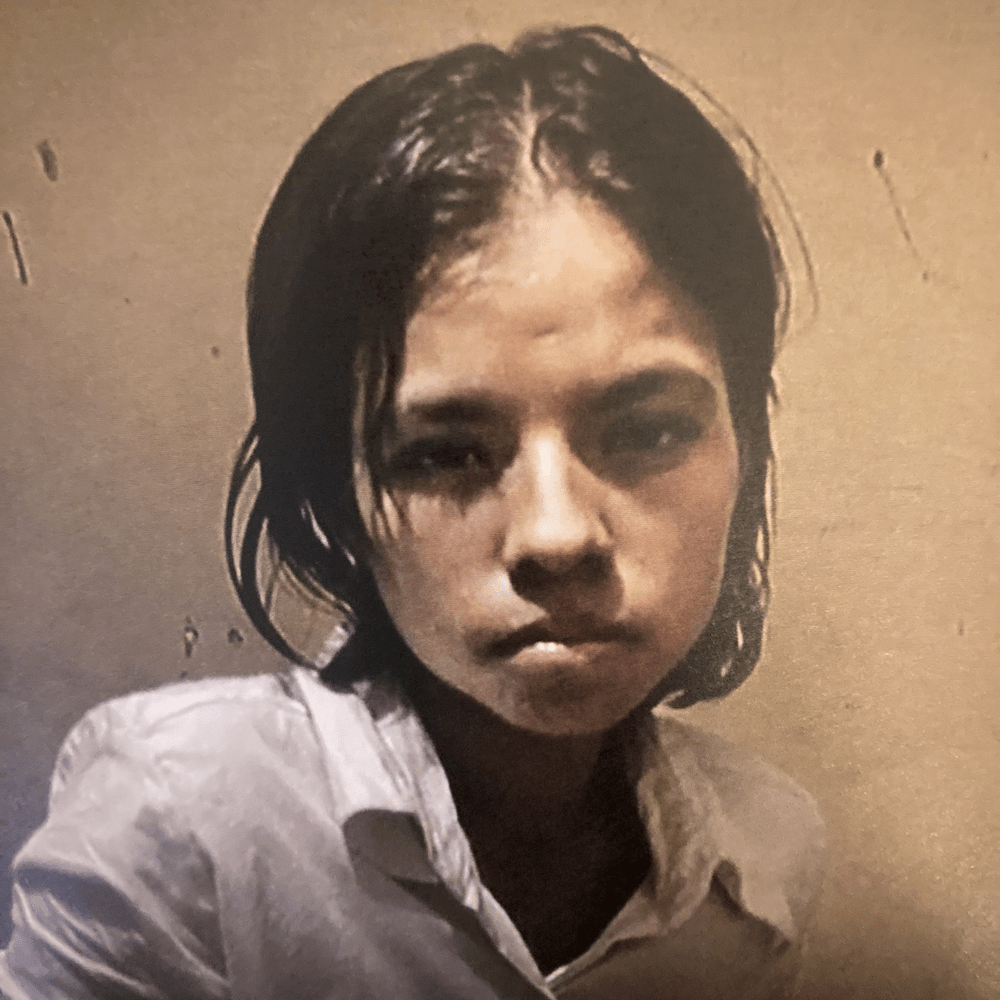
 View Artist