Song Meaning
The lyrics paint a disquieting picture of intense, almost possessive intimacy. The opening lines establish a surreal, shared past where the narrator "took my eyes out," immediately setting a tone of extreme vulnerability and a blurring of physical and emotional boundaries. This is followed by the stark declaration, "I'm a blind boy, you're a mute girl," framing their connection as one built on profound, non-verbal understanding and mutual dependence. The narrator's claim to hold the girl's world "in my hands" becomes increasingly ominous as the song progresses.
The central tension lies in the narrator's desire to isolate the girl from the outside world, urging her to "forget all others." This isolation is presented as a form of protection, a way to preserve her beauty and memories. The narrator sees "masks" dancing and wandering, suggesting a perception of superficiality or deception in the external world that they wish to shield the girl from. Their own blindness, paradoxically, allows them to focus intensely on the girl's inner world, seeing "the memories you keep / Under your cheeks."
The most striking craft element is the narrator's self-imposed blindness as a means of deeper perception. By "taking out" their eyes, they claim to see the girl's hidden self, her memories and emotions. This is further amplified by the repeated, chilling phrase, "And you will never live again," which, juxtaposed with the intimacy of "in my hands," suggests a desire for a static, preserved existence for the girl, free from the perceived dangers of life. The narrator's singing "like a nightingale" adds a layer of romantic delusion to this possessive embrace.
Ultimately, the effectiveness of these lyrics stems from their unsettling blend of tenderness and control. The narrator's language oscillates between declarations of love and possessive ownership, creating a claustrophobic atmosphere. The imagery of writing on skin and holding a world in one's hands, combined with the finality of the repeated refrain, leaves the listener with a profound sense of unease about the nature of this bond, questioning whether it is one of salvation or a beautiful, self-made prison.
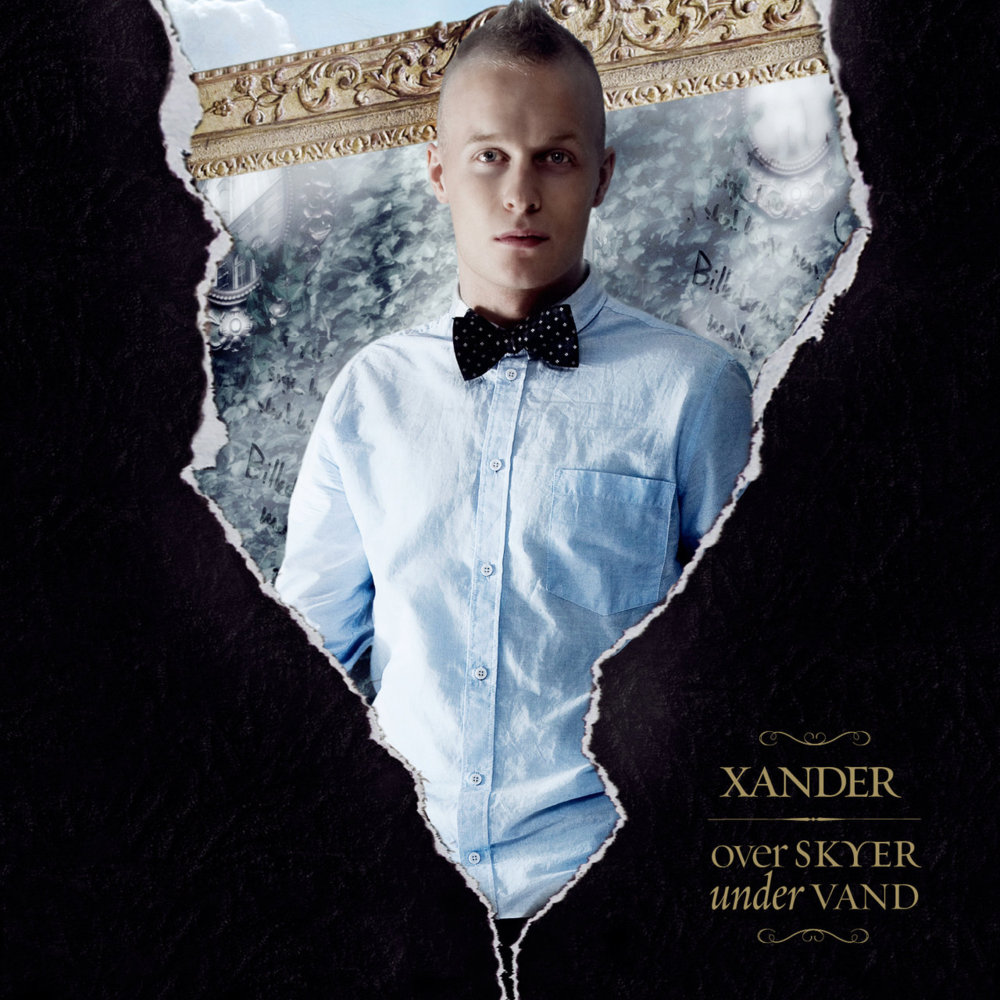
 View Artist