Song Meaning
The lyrics for "True Love" immediately dismantle any romantic notions, presenting the concept not as a tender bond but as "the devil's crowbar." This jarring metaphor sets a tone of cynical disillusionment. It suggests love isn't a gentle connection but a forceful, destructive tool. The repetition of "true love" feels almost like a desperate incantation, quickly overshadowed by its dark definition.
The core tension lies in the irreversible damage love inflicts, particularly on the state of solitude. The lyrics suggest that "Loneliness is fine" until one finds someone who "has to stay away." This highlights a cruel paradox: the comfort of being alone is shattered not by connection itself, but by the pain of a connection that cannot be sustained. The experience ensures that "Loneliness is never the same," implying an enduring wound that transforms a once neutral state.
The most striking craft element is the personification of the devil, who isn't a grand, terrifying figure but a mundane, almost bureaucratic agent of heartbreak. He "drives a Buick" and "eats lunch" before casually deploying his "pitchfork through the trunk." This trivialization of evil makes the destructive power of "true love" feel less like a cosmic tragedy and more like an everyday, unavoidable trap. The crowbar, the lyrics suggest, is used to "pry you out of your car" – a chillingly vague extraction that implies an inescapable cycle of pain.
These lyrics are effective because they subvert expectations with brutal honesty, refusing to romanticize a painful experience. By equating true love with a "devil's crowbar," the writing vividly conveys a sense of being forcibly pulled apart and irrevocably changed. The mundane imagery of the devil amplifies the feeling that this kind of heartbreak isn't a rare, dramatic event, but a common, almost casual act of destruction, leaving the listener with a profound sense of weary resignation.
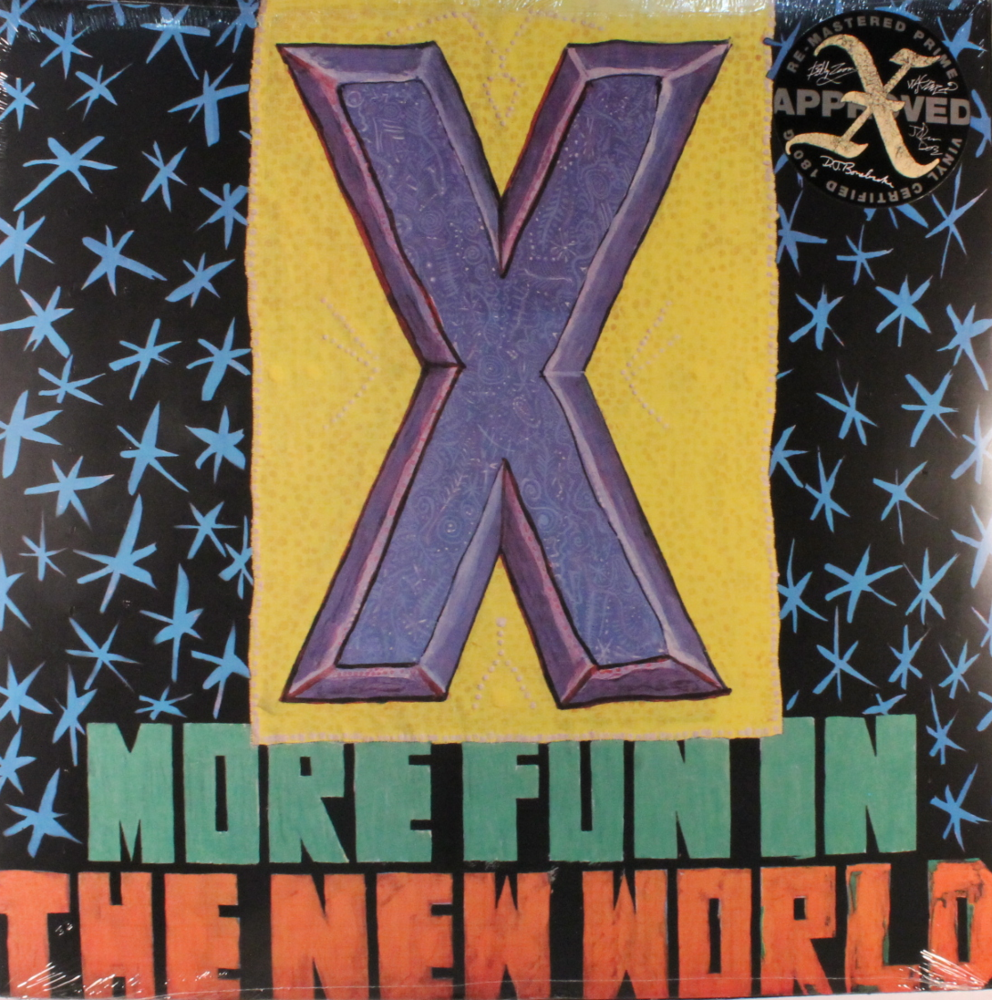
 View Artist