Song Meaning
The lyrics paint a picture of a malevolent entity, a self-proclaimed "Satan" and "invader of your dreams." This figure revels in causing nightmares and asserts complete control over the listener, declaring them a "slave" whose future is predetermined. The dominant tone is one of absolute power and malicious intent, with the narrator relishing their role as the architect of suffering and deception. The initial lines establish a clear adversarial dynamic, with the narrator distancing themselves from any perceived identity the listener might hold.
The central tension lies in the narrator's assertion of dominance versus the listener's perceived self-deception. The narrator claims the listener is "full of lies" and mistakenly believes they are "wise," when in reality, they are "walking evil" in disguise. This suggests a deep-seated corruption within the listener that the narrator exploits or embodies. The narrator positions themselves as the ultimate controller, manipulating the listener's actions and future, leaving them unable to comprehend or alter their fate.
The most striking craft element is the consistent, almost boastful, declaration of power and the systematic deconstruction of the listener's perceived reality. Phrases like "my creation, my specialty" and "I control what you do" highlight the narrator's active role in the listener's downfall. The repeated accusation of being "walking evil" serves as a damning label, stripping away any pretense of innocence. The lyrics also employ a stark contrast between the narrator's perceived "godly power" and the "helpless children" who "scream in fear," emphasizing the cruelty at the core of this entity's actions.
These lyrics are effective because they create a palpable sense of dread and helplessness through direct, unflinching declarations of control and malice. The narrator doesn't merely threaten; they state their actions as fact, leaving no room for doubt or escape for the listener. The repeated chorus reinforces the central accusation, hammering home the idea that the listener's true nature is one of inherent corruption, a concept the narrator claims to orchestrate. The final defiant line, "You don't run my life," offers a sliver of resistance, but it's immediately drowned out by the overwhelming presence of the "walking evil."
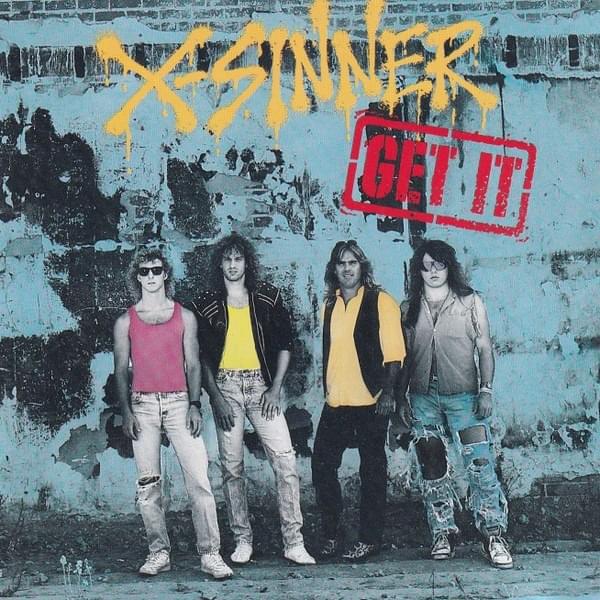
 View Artist