Song Meaning
This track lays bare a chilling, self-serving philosophy of power and privilege. The narrator frames a final step in a 'game,' demanding the listener embrace an 'easy attitude of entitlement' born from wealth. This isn't just about personal gain; it's a justification for dominance, asserting that their 'riches affirm that we are the greatest of the world.' The lyrics present a stark us-versus-them dichotomy, where any perceived wrongdoing is reframed as a necessary act of self-preservation, mirroring what 'they would have done to us, if they could.'
The central tension lies in the aggressive dismissal of any moral accountability. 'Shame is for losers,' the narrator declares, actively shutting down introspection. Instead, they direct the listener to external validation – 'stories in all the books, movies, and everything else' – to reinforce their superiority. This manufactured narrative serves to bypass any potential guilt, pushing forward with a relentless, forward-looking agenda where 'history is now.' The rhetorical question, 'Can you accept this?' followed by the confident 'I knew you would,' underscores a belief in the inherent corruptibility of those in power.
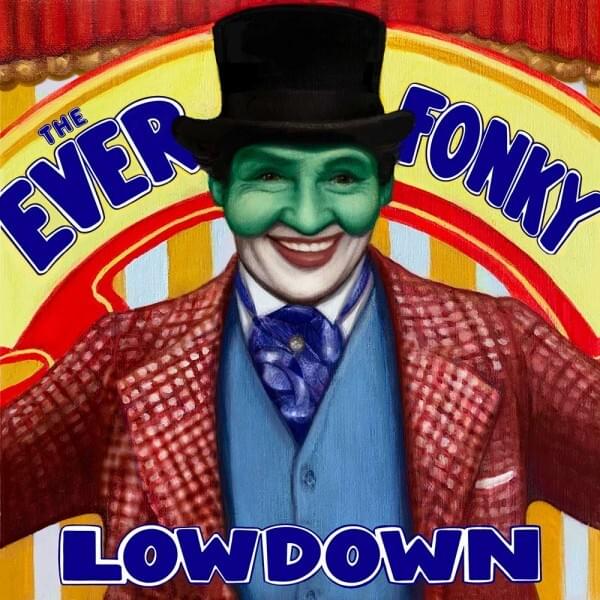
The most striking element is the calculated manipulation of language to legitimize exploitation. By equating wealth with inherent greatness and framing actions as mere reciprocity ('what they would have done to us'), the lyrics construct a worldview where morality is a luxury for the less fortunate. The phrase 'Ever Fonky Lowdown' itself, though not explicitly defined, feels like a coded term for this morally bankrupt, yet seemingly unassailable, position. It's a declaration of a system where the powerful dictate the terms of reality and consequence.
Ultimately, the effectiveness of these lyrics stems from their unflinching portrayal of a toxic ideology. The detached, almost instructional tone makes the pronouncements even more disturbing. It's a cold, hard look at how power can rationalize itself, creating a closed loop of self-affirmation that actively rejects empathy or external judgment. The lyrics don't just describe this mindset; they embody it, forcing the listener into an uncomfortable confrontation with its logic.
 View Artist