Song Meaning
Wynn Stewart's "When We Had Nothing" cuts deep with a familiar paradox: the corrosive effect of material wealth on genuine connection. The track isn't just a lament; it's a stark observation about how chasing 'good fortune' can hollow out the very foundations of happiness. Stewart's lyrics sketch a portrait of contentment rooted in shared struggle, a bond forged in the absence of material possessions. The opening lines, "When we had nothing only each other / We were so happy just being together," immediately establish this contrast, painting a picture of uncomplicated joy derived solely from companionship. The dreams of future prosperity, initially a source of hope, ironically become the instruments of their undoing. The line, "And then one day the long hours of dreaming came true / All of the hard work and disappointments were through," carries a heavy dose of irony, marking the turning point where tangible success leads to intangible loss.
The chorus is the heart of the song's meaning, a poignant recognition that "once we had nothing but when we had nothing / We really had something we had me and you." It’s a gut-wrenching admission that their most valuable asset—their relationship—was inadvertently sacrificed at the altar of ambition. The repetition of "I wish we had nothing" underscores the depth of regret, a longing for the simplicity and authenticity of their previous existence. Stewart isn't just singing about lost love; he's dissecting the human tendency to equate material gain with emotional fulfillment, a fallacy that often leaves us emptier than before.
The psychology at play in "When We Had Nothing" is fascinating. It touches on the concept of hedonic adaptation, the tendency for humans to quickly return to a relatively stable level of happiness despite major positive or negative events or life changes. The initial joy of newfound wealth fades, leaving behind a void where genuine connection once thrived. The song also subtly critiques the societal pressure to constantly strive for 'more,' suggesting that true wealth lies not in what we possess, but in the relationships we cultivate. Ultimately, Wynn Stewart's song serves as a cautionary tale, a reminder that the pursuit of material success should never come at the expense of human connection. The song meaning is clear: sometimes, less truly is more, and the greatest riches are found not in a bank account, but in the bonds we share with others.
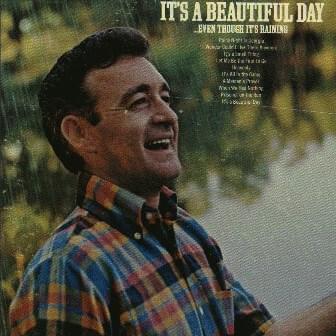
 View Artist