Song Meaning
Wynn Stewart's "Seasons Of My Heart" uses nature's cyclical patterns as a desperate metaphor for romantic hope. The song isn't just a sentimental country ballad; it's a study in denial, a carefully constructed fantasy against the backdrop of impending heartbreak. The lyrics paint a picture of a relationship on the brink, where the narrator clings to the idea that, like the changing seasons, their love can be revived. The opening lines establish the natural order: "The seasons come the seasons go/We get a little sunshine rain and snow." But this acceptance of natural cycles sharply contrasts with the narrator's internal state, where he insists that "there's no season in my heart," suggesting an unwillingness to let go, an attempt to suspend time and prevent the inevitable decline of the relationship. The line "Cause the flowers will bloom eternally" is a clear indication that the narrator's feelings for the other person will not fade. But in reality, flowers do not bloom eternally.
The core tension of "Seasons Of My Heart" lies in the push and pull between acknowledging the pain of a potential breakup and desperately clinging to the possibility of reconciliation. The "autumn sorrow" and "withered leaves" imagery clearly foreshadow emotional devastation, yet this is immediately followed by a plea for a "glad tomorrow" and the assertion that "we could be happy after all." This juxtaposition reveals the narrator's fragile emotional state, oscillating between grief and hope. It’s a psychological defense mechanism, a way to soften the blow of a likely abandonment.
Stewart's song cleverly uses the natural world as both a source of comfort and a mirror reflecting the narrator's inner turmoil. While the seasons provide a framework for understanding change and renewal, the narrator's insistence on eternal spring hints at a deeper fear of confronting the reality of loss. The repeated line "We could be happy after all" isn’t a statement of conviction, but a mantra whispered to ward off the encroaching winter of the heart. The song, therefore, becomes a poignant exploration of the human capacity for self-deception in the face of love's potential demise.
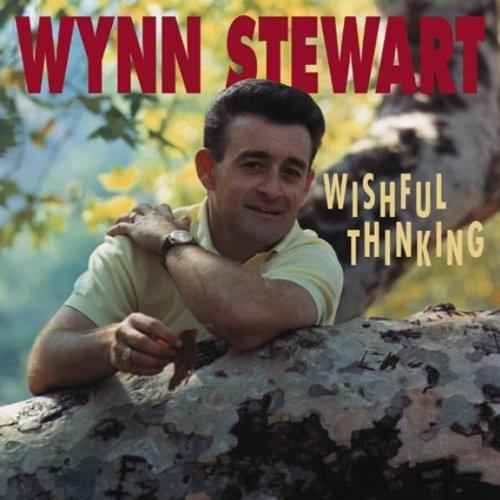
 View Artist