Song Meaning
Wynn Stewart's "Keeper Of The Key" isn't just another heartbreak ballad; it's a stark exploration of emotional captivity. The lyrics paint a portrait of a man utterly consumed by a love that has ended, yet continues to hold him prisoner. It's a fascinating, if unsettling, look at the power dynamics within relationships and the lingering chains of affection. The opening lines immediately establish this theme of imprisonment: "You have gone and yet I'm still your prisoner." This isn't a metaphorical claim of sadness, but a declaration of ongoing bondage, a state where freedom is impossible because the jailer is absent but the cell remains. The woman, despite moving on, unknowingly (or perhaps knowingly) retains the power to dictate his emotional state. It suggests a deep-seated insecurity within the narrator, a reliance on external validation for his own sense of self-worth.
The recurring image of the 'key' further emphasizes this imbalance. It’s not merely about unrequited love; it’s about the perceived inability to unlock oneself from the past. The narrator isn't simply sad; he's actively pleading to be re-chained, singing, "We'll lock our hearts together for a lifetime / And you'll always be the keeper of the key." This reveals a possible codependency, a longing for the familiar comfort of being controlled, even if that control brings pain. It's a desire to return to the initial state of the relationship, regardless of its inherent flaws. The burning love that's locked inside isn't romantic, but a symptom of this dependence.
Ultimately, "Keeper Of The Key," while presented as a simple country lament, delves into the darker recesses of the human heart. It highlights the paradoxical nature of love and loss, where the desire for freedom clashes with the comfort of captivity. The song's true power lies in its unflinching portrayal of a man willingly surrendering his emotional autonomy, finding a twisted sense of security in the very chains that bind him. The repeating chorus drills home the inescapable nature of this self-imposed prison. This isn't just about lost love; it's about a loss of self, a forfeiture of the key to one's own emotional freedom.
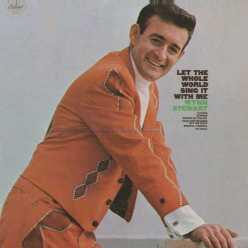
 View Artist