Song Meaning
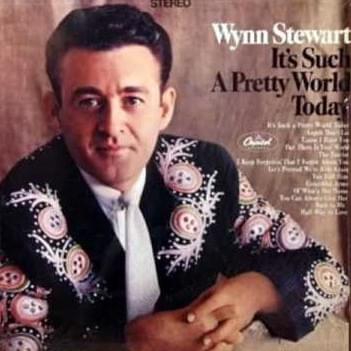
Wynn Stewart's "I Keep Forgettin' That I Forgot About You" isn't just a country lament; it's a masterclass in psychological denial, wrapped in a deceptively simple melody. The song's genius lies in its central paradox: the narrator is caught in a loop of trying to forget someone he's already supposedly forgotten. It's the ultimate breakup ouroboros, where the tail of forgetting is perpetually consumed by the head of remembering. The repeated phrase "I keep forgettin' not to remember you" exposes the flawed logic of heartbreak. He's not just missing her; he's actively failing at the prescribed task of moving on, a task he ironically reminds himself of with each passing attempt. The lyrics paint a picture of restless nights and constant mental replays, fueled by old memories that "come to torture me."
The narrator's struggle highlights a common, yet often unspoken, aspect of grief: the performance of forgetting. We tell ourselves and others that we're "over it," but the subconscious mind often betrays us. Stewart's song suggests that the act of consciously trying to forget can actually amplify the pain, turning a passive memory into an active tormentor. The line "I keep forgettin' that we're supposed to be true" hints at a deeper betrayal, perhaps of the promises made within the relationship, or even of the narrator's own commitment to forgetting. This complicates the simple narrative of heartbreak, suggesting a struggle with guilt, self-deception, and the painful realization that some wounds refuse to heal cleanly.
Ultimately, "I Keep Forgettin' That I Forgot About You" transcends the typical country ballad. It's a poignant exploration of the mind's tricks, the futility of forced forgetting, and the enduring power of memory. The cyclical nature of the lyrics mirrors the cyclical nature of grief itself. The narrator isn't simply sad; he's trapped in a recursive loop of his own making, a prisoner of his own attempts to escape the past. The song becomes a stark reminder that sometimes, the harder we try to forget, the more vividly we remember.
 View Artist