Song Meaning
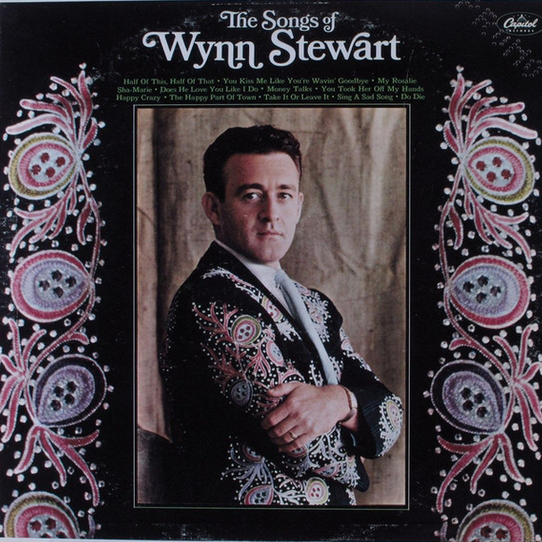
Wynn Stewart's "Half Of This, Half Of That" isn't just a country lament; it's a raw dissection of emotional and material dissolution. The song's core revolves around the fracturing of a relationship, mirrored in the division of assets and affections. The repetition of "half of this and half of that" becomes a haunting mantra, underscoring the incompleteness and desolation that Stewart faces. It's a portrait of a man grappling with the wreckage of shared dreams, reduced to haggling over remnants. The lyrics suggest a desperate attempt to salvage what's left, evident in the plea, "Oh please let me talk to you don't hang up the phone." This isn't a clean break; it's a slow, agonizing bleed.
The brilliance of "Half Of This, Half Of That" lies in its stark simplicity. The lyrics don't rely on flowery metaphors or elaborate storytelling. Instead, they deliver a blunt, unvarnished account of loss. The line, "Like the houses half paid for we've paid half alone," encapsulates the shared burden and the now solitary struggle. The song avoids placing blame squarely on either party, hinting at a mutual responsibility for the relationship's demise. The speaker's acknowledgment, "If we never love again I'll know it's my fault," adds a layer of vulnerability and self-awareness, elevating the song beyond a simple tale of heartbreak. It's a confession, a desperate attempt to rewrite the narrative before it's too late.
Ultimately, "Half Of This, Half Of That" is more than just a breakup song; it's an exploration of the human condition. The lyrics delve into the psychological toll of loss, the fear of loneliness, and the desperate desire for reconciliation. The song's power resides in its ability to tap into universal emotions, resonating with anyone who has experienced the pain of a broken connection. The rawness is only heightened by the classic country instrumentation, the steel guitar adding an ache to the already wounded vocal delivery, making it a timeless exploration of love's brutal arithmetic.
 View Artist