Song Meaning
Wynn Stewart's "But You Know I Love You" is a quintessential country lament, dissecting the corrosive tension between love and economic necessity. It's not just a simple declaration of affection; it's a desperate plea, repeated like a mantra against the cold, hard realities of a touring musician's life. The morning sun, romantic in other contexts, here only serves as a stark reminder of another day spent chasing a paycheck, leaving behind "a chain of broken dreams." The repeated protestation – "But you know I love you" – becomes less a reassurance and more a fragile shield against the guilt and pain of absence. It's the sound of a man trying to convince himself as much as his partner.
The song's core conflict lies in the idealized vision of love versus the brutal realities of survival. Stewart wistfully imagines a life where love is "all we'd need to live," a pastoral fantasy shattered by the insistent "dollar signs" that dictate their fate. This isn't just about financial security; it's about the emotional toll of prioritizing work over connection. The lyrics subtly critique a system where passion and artistic pursuit demand such a heavy personal sacrifice. The yearning for a simpler time, when "the problems of this world had not yet crossed our minds," speaks to a universal desire to escape the complexities of adulthood and return to a state of innocence, where love truly could conquer all.
Ultimately, "But You Know I Love You" is a poignant exploration of compromise and regret. The singer acknowledges his choice, made "many years ago," to pursue a life on the road, a decision that now traps him in a cycle of absence and longing. He's caught between his love and his duty, recognizing the impossibility of "liv[ing] on dreams alone." The repetition of the title phrase, far from being comforting, underscores the deep-seated conflict at the heart of the song. It's a heartbreaking admission that love, even when profound, isn't always enough to overcome the obstacles of the material world. The meaning of Wynn Stewart's song resonates because it exposes the raw nerve where personal desires clash with life's unavoidable compromises.
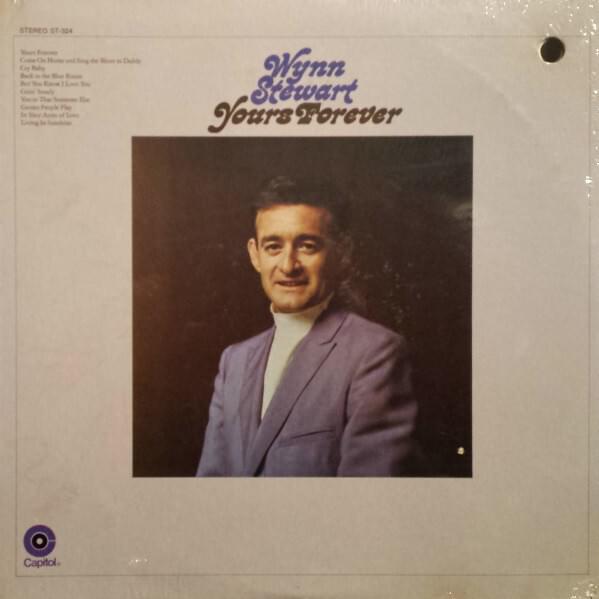
 View Artist