Song Meaning
Wynn Stewart's "Angels Don't Lie" isn't a hymn to celestial virtue, but rather a masterclass in country heartbreak, filtered through a lens of denial. The song meaning hinges on the central, repeated line: "Angels don't lie." It's a defiant, almost desperate assertion in the face of rumors and gossip suggesting his lover's infidelity. The singer clings to the idealized image he has of her, elevating her to an angelic status to shield himself from the pain of potential betrayal. The brilliance of the song lies in its simplicity; Stewart doesn't offer elaborate justifications, he just repeats his unwavering belief, a mantra against the tide of whispers. The psychological subtext is palpable: the singer's delusion is a coping mechanism, a way to maintain a relationship, or the memory of one, on his own terms.
The lyrics paint a picture of a community rife with rumors. "Someone told a lie again, said they saw you out again," he sings, immediately dismissing it. The repetition of "I wonder why they pick on you and tell me lies the way they do" reveals a sense of persecution, as if external forces are conspiring to destroy his happiness. This paranoia, whether justified or not, underscores the fragility of his emotional state. He's choosing to believe her, not because he has concrete proof of her innocence, but because the alternative is too devastating to contemplate. The line, "Like just forget her, but angels don't lie" shows the pressure he's under to move on, but the singer is unwilling to let go.
Ultimately, "Angels Don't Lie" explores the power of self-deception in matters of the heart. It's a raw, vulnerable portrayal of a man clinging to an illusion, choosing faith over evidence. Stewart's delivery, characteristic of classic country, adds to the authenticity of the emotion. The song never explicitly confirms or denies the woman's infidelity, leaving the listener to grapple with the ambiguity and the unsettling possibility that the singer's angelic vision is nothing more than a carefully constructed fantasy. The song's effectiveness lies in its stark portrayal of denial as a powerful, if ultimately unsustainable, force.
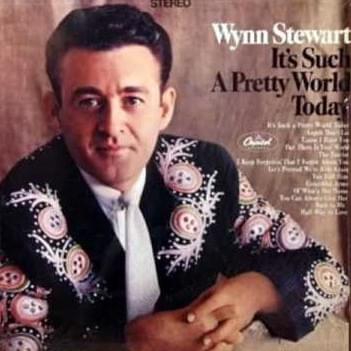
 View Artist