Song Meaning
The lyrics paint a vivid picture of a bygone era of cowboy life, centered around the raw, untamed spirit of saddle broncs and the vastness of the sagebrush landscape. The opening lines introduce Gold Rush, a horse described as the "baddest caballos," immediately establishing a tone of respect for powerful animals and the skills required to ride them. This isn't just about horses; it's about a connection to nature and a life lived on the edge, where the "grandsons of Pegasus" are ready to "head for the sky."
The narrator draws a sharp contrast between the past and the present, lamenting how modern rodeos have diluted the authenticity of the experience. "Way back when they really bucked," the lyrics suggest, implying that today's performances are a mere shadow of the genuine challenge. The dedication required, riding "for 8 seconds" that "ain't what we called a show," highlights a perceived loss of grit and substance in contemporary interpretations of this cowboy tradition.
The imagery of the Rio de la Vacas, with its specific flora like greasewood and chamiza, grounds the narrative in a tangible, rugged environment. The description of jackrabbits flushing and breaking "right in two" is a surreal, almost mythic detail, suggesting the intense, disorienting nature of the rides. This wildness is further emphasized by the absence of modern distractions: "No bright lights of Vegas / No ladies to love us," underscoring a life defined by pure, unadorned challenge and self-reliance.
Ultimately, the lyrics convey a deep sense of nostalgia and a profound appreciation for a specific kind of cowboy existence. The final mention of Gold Rush, the "baddest caballos / That I'll ever know," serves as a poignant tribute to the peak of this experience. It's a declaration that the true essence of this life, embodied by the horse and the landscape, is something irreplaceable and deeply personal, a standard against which all else falls short.
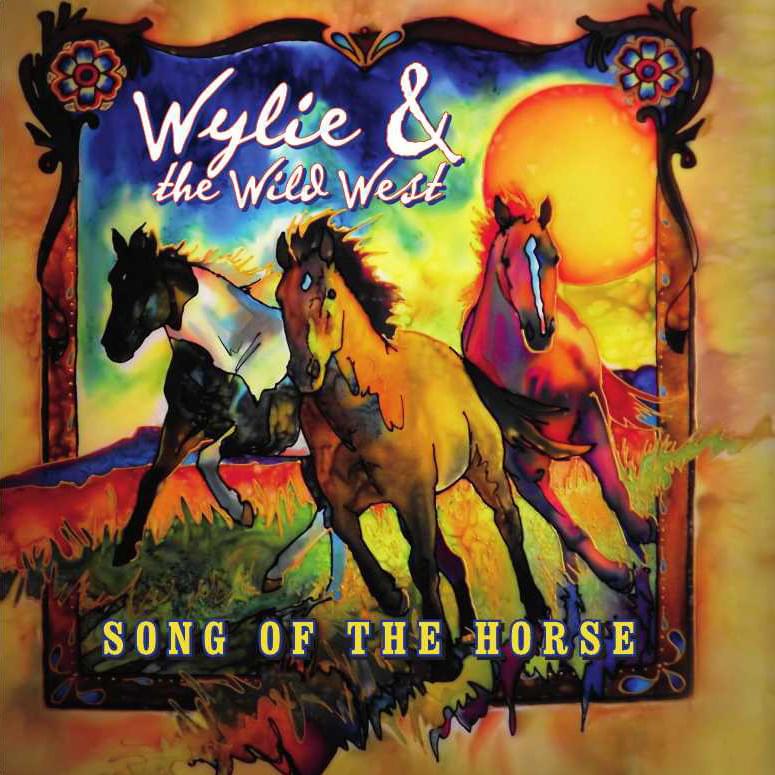
 View Artist