Song Meaning
The lyrics paint a picture of someone caught in a state of perpetual motion, trying to outrun a past that still looms large. The opening lines, "How can you see me now? / I can hardly perceive it," suggest a feeling of being lost or disconnected, even as they're "running the highways." This constant movement is framed as a coping mechanism, a way to stay "better in motion" when the alternative feels too stagnant or painful. The narrator acknowledges a distance, admitting, "I know I've been a stranger to you / For most of my days," hinting at a fractured relationship or a self-imposed isolation.
The central tension arises from the desire to move forward versus the inescapable pull of memory and past mistakes. The chorus offers a cynical observation: "So that's the way the world works / When you're living for the summer." This implies a life lived in anticipation of fleeting good times, where the present is merely a waiting period. The phrase "the worst thing you could do / Has already been done" suggests a point of no return, a moment of transgression or failure that defines the current state. This creates a peculiar paradox: if the worst is over, why the continued struggle and the need to be reminded?
The most striking element is the insistent repetition in the chorus and outro: "repeat it, repeat it." This isn't just about remembering; it's about a forced recall, like "staring at the sun," an act that is both blinding and unavoidable. The shift in the second chorus to "the mind turns" and "looking for a reason" suggests a more internal struggle, a cognitive loop. The question posed, "Should we die a little / Just to stay alive?" encapsulates the desperate measures taken to maintain existence, even if it means a form of self-annihilation or compromise.
Ultimately, the effectiveness of these lyrics lies in their portrayal of a psychological trap. The narrator seems to be caught between a desire for change and an inability to escape the echoes of the past, which they paradoxically ask to be "remind[ed]" of. The relentless repetition underscores a feeling of being stuck, a cyclical pattern of thought and experience that offers no real resolution, only the ongoing, painful act of remembrance.
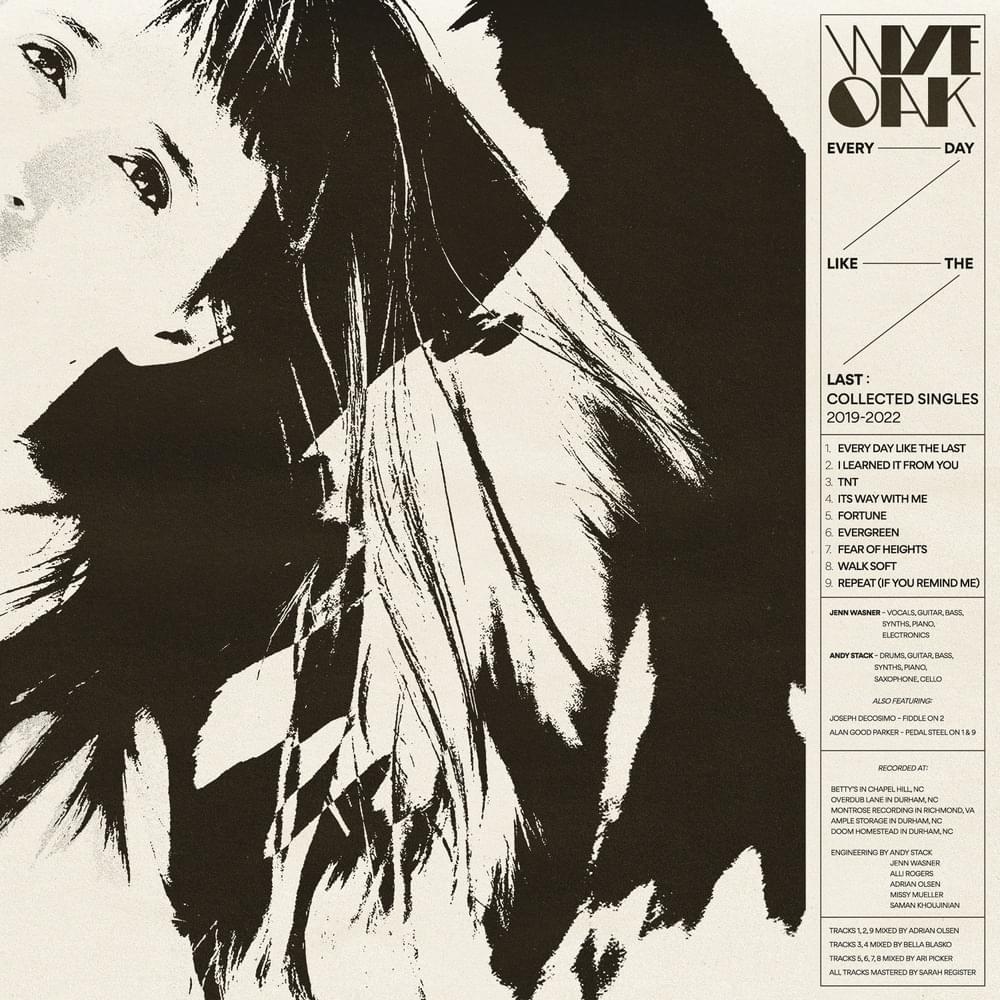
 View Artist