Song Meaning
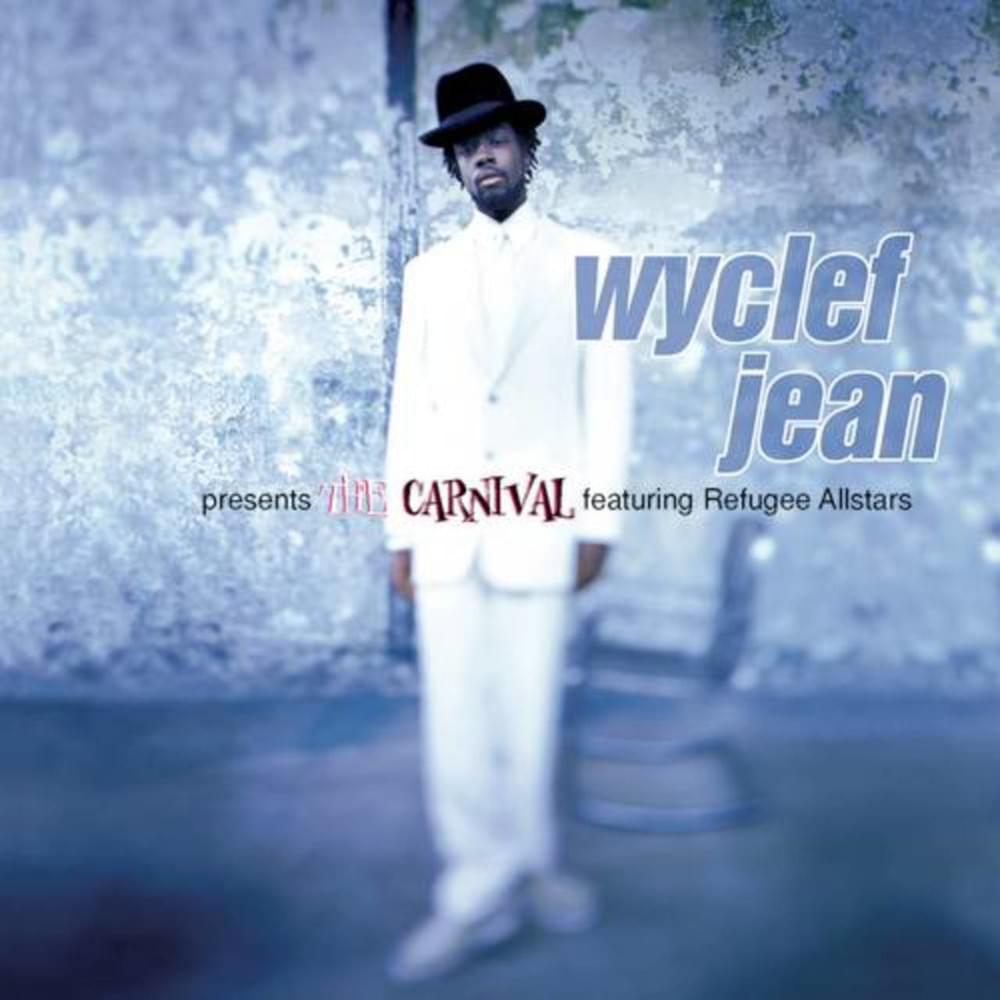
Wyclef Jean's "Killer M.C. (Interlude)" functions as a brief, unsettling commentary on the power and potential irresponsibility within hip-hop lyricism. It's a skit, framed as a mock interview, where Wyclef introduces a metaphorical "Killer M.C."—a rapper whose words, figuratively, have "killed over a million people on record." The central question posed, "why ain't you locked up?", cuts to the heart of the debate surrounding artistic license versus the real-world impact of violent or destructive lyrical content. The skit doesn't offer easy answers, instead highlighting the complex relationship between artistic expression and accountability. The use of "killed" is clearly hyperbolic, but the underlying message asks us to consider the influence rappers wield and the potential consequences of their words. The character's non-answer, simply repeating "Nuhmsayin?", further underscores the ambiguity.
The genius of the interlude lies in its brevity and pointedness. It avoids moralizing, opting instead to present a scenario ripe for interpretation. The "Killer M.C." isn't literally a murderer, but represents the kind of artist whose lyrics might be interpreted as damaging, inflammatory, or contributing to a culture of violence. Wyclef's final line, "Don't believe the hype," adds another layer of complexity. Is he suggesting that the fear surrounding violent lyrics is overblown, or is he warning against blindly accepting the messages conveyed by such artists? The ambiguity is deliberate, forcing listeners to confront their own beliefs about the responsibilities of artists and the interpretation of art.
Ultimately, "Killer M.C. (Interlude)" serves as a potent reminder that words have power. Wyclef Jean uses the skit format to question the ethical boundaries of artistic expression in hip-hop, prompting a deeper reflection on the potential impact of lyrics on listeners and society at large. The song's meaning isn't explicitly stated, but rather implied through the interaction and the questions it raises. It is a call for critical engagement with the music we consume, urging us to look beyond the surface and consider the potential consequences of the messages being delivered.
 View Artist