Song Meaning
The lyrics paint a picture of defiance against an oppressive force, personified by an "iron grip." The narrator demands release, calling the oppressor "in vain" and accusing them of being "spies full of lies." There's a sense of internal struggle being suppressed, as the narrator states they will "suffocate" their own "rath." This sets up a conflict between an external attempt to control and an internal, suppressed rage.
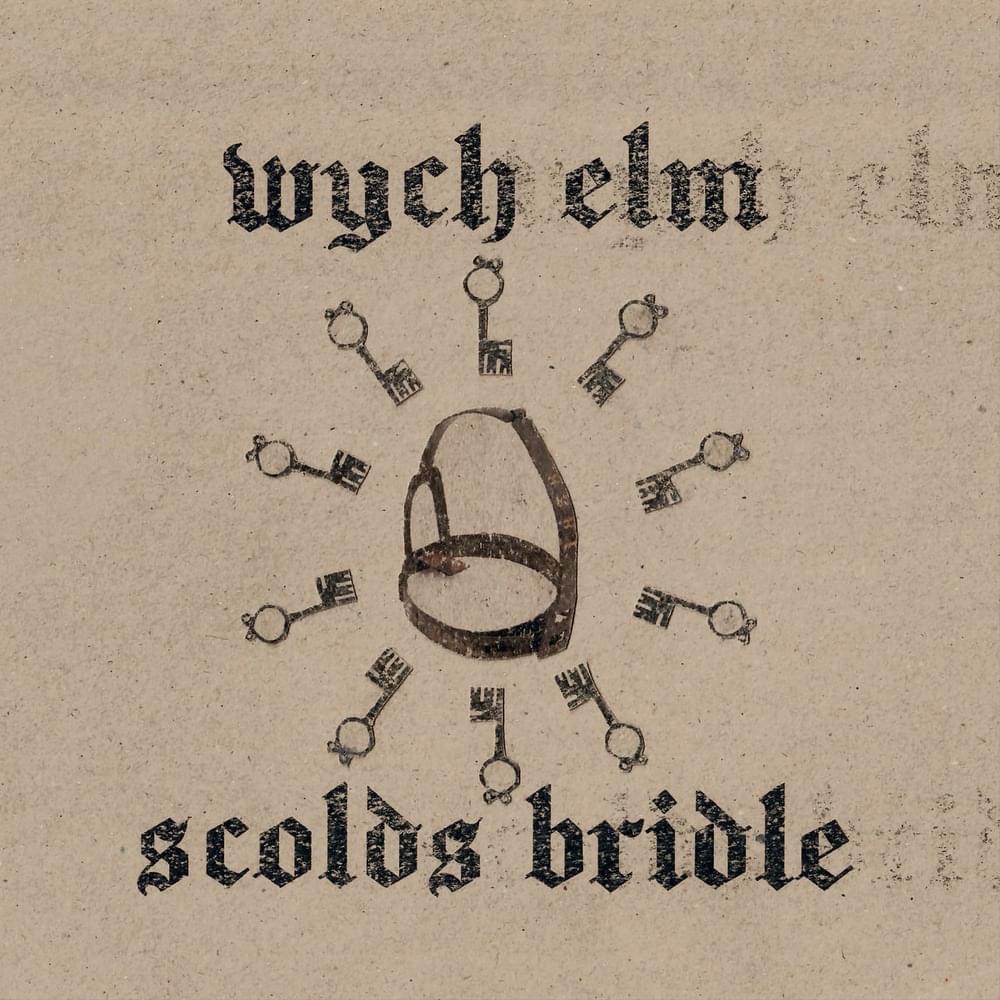
The central tension lies in the repeated chorus: "Put me in the scold's bridle / Put me in an iron muzzle / I won't move / I won't struggle." This isn't a plea for restraint, but a declaration of passive resistance. The narrator is inviting the ultimate silencing, the "scold's bridle" and "iron muzzle," as a means to refuse to engage or be moved by their tormentor. It’s a strategic surrender, a refusal to give the oppressor the satisfaction of a fight or a reaction.
The imagery shifts dramatically in the second verse, transforming the narrator into a monstrous, wild figure. Described as "a hag with a hag's nose" and "tawny limbs and ripped up clothes," this persona is primal and dangerous, possessing "claws" and a threat to "attack" and "catch you in my trap." This contrasts sharply with the passive, unmoving stance in the chorus, suggesting a hidden, potent wildness that the "iron muzzle" can't truly contain. It implies that while the outward appearance might be one of stillness, the inner self is a predator.
This juxtaposition of enforced stillness and latent ferocity makes the lyrics so potent. The narrator weaponizes their own silence and immobility, turning it into a form of control by denying the oppressor any reaction. The threat of the "hag" persona, with its "claws," hints at a deeper, untamed power that is merely held in check, waiting for an opportunity. The effectiveness comes from this layered portrayal of resistance: a public, unmoving facade hiding a private, predatory readiness.
 View Artist