Song Meaning
The lyrics paint a stark, almost surreal portrait of a collective, dehumanized existence. The opening lines, "There is no eye to catch steel trees," immediately establish a disconnect from nature and a focus on artificiality. These figures, described as coming "in uniforms" and crossing "bridges built on cement arches," move through a manufactured landscape with a chilling uniformity. Their actions are presented as rote, a series of mundane tasks like turning from the TV or table, pouring out of doors, and paying bills, all performed without apparent individual thought or genuine observation.
The central tension lies in the contrast between the vast, indifferent universe and the narrow, self-absorbed focus of these individuals. While "all the stars turn in vast courses around them," they remain "unnoticed," preoccupied with earthly concerns like "money" and "electric bills." This disconnect is amplified by the description of them as "real glass and thin," suggesting a fragility and transparency that belies their seemingly solid, uniform actions. They are simultaneously vulnerable and unseeing, their existence defined by a series of prescribed behaviors rather than genuine experience.
The most striking craft element is the relentless repetition of "they," creating a sense of an undifferentiated mass. The lyrics meticulously list their actions – they wave, they vote, they applaud, they bear arms, they fly above the earth – but these actions feel devoid of personal agency or emotional depth. The imagery shifts from the mundane morning routine to the abstract heights of "ninety floors from the ground" and the cosmic scale of stars, yet the core experience of these figures remains unchanged: a quiet, unthinking procession. The "quiet gleam of money" becomes a defining characteristic, a shallow substitute for genuine inner light or awareness.
Ultimately, these lyrics resonate because they capture a feeling of alienation within modern life. The detached, observational tone and the focus on routine and material concerns highlight a potential loss of individual consciousness and connection to the world. The effectiveness comes from the sheer accumulation of these sterile details, building a powerful, unsettling picture of lives lived on autopilot, where the grand sweep of existence is rendered invisible by the immediate, unexamined demands of the day.
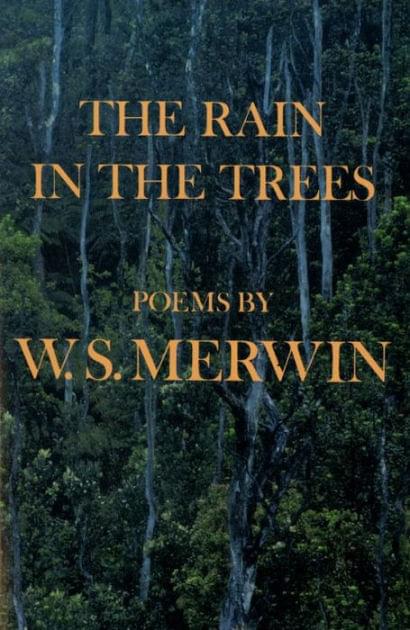
 View Artist