Song Meaning
The lyrics immediately present a stark image: "A glass cage for an animal." This isn't a hidden prison, but one transparent and exposed, where freedom is only "apparent." The creature within, and by extension the speaker, understands the heavy "price" of this illusion. It's a chilling portrait of visible confinement and internal resignation.
A profound tension emerges between the external world and internal experience. While the "past careens down verdant hills," suggesting a vibrant, perhaps chaotic natural world, the speaker retreats to "caves where night has taken up." This contrast highlights a deep isolation, where "solitude does visit" even in the afternoons. The conflict is between a world of potential and a self-imposed or inherent darkness.
The most striking craft element is the existential paradox: "too immune to live too desperate to die." This line perfectly encapsulates a state of profound apathy towards life, yet a simultaneous, almost primal fear of death. It's a psychological stalemate, rendering the speaker incapable of either fully engaging with existence or finding release from it. This internal paralysis is then amplified by the frustrated questions, "Where is the lever for the reward? Are all words void?"
The relentless repetition of the "glass cage" chorus, appearing four times initially and then another four times after the verse, is incredibly effective. It doesn't just state the theme; it *enacts* it, creating a sense of inescapable, cyclical entrapment for the listener. This structural choice, combined with the vivid imagery and the speaker's raw, questioning internal monologue, makes the lyrics resonate with a feeling of being trapped in a visible yet unfulfilling existence, keenly aware of its hidden costs.
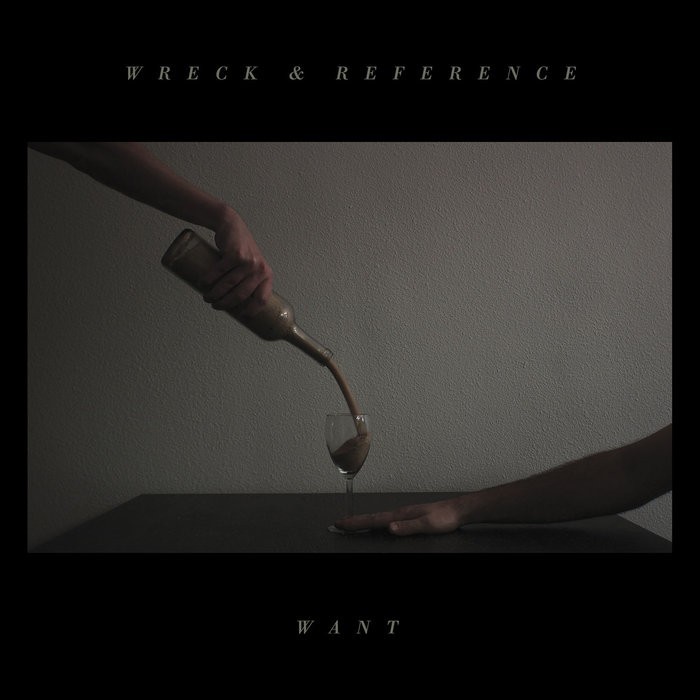
 View Artist