Song Meaning
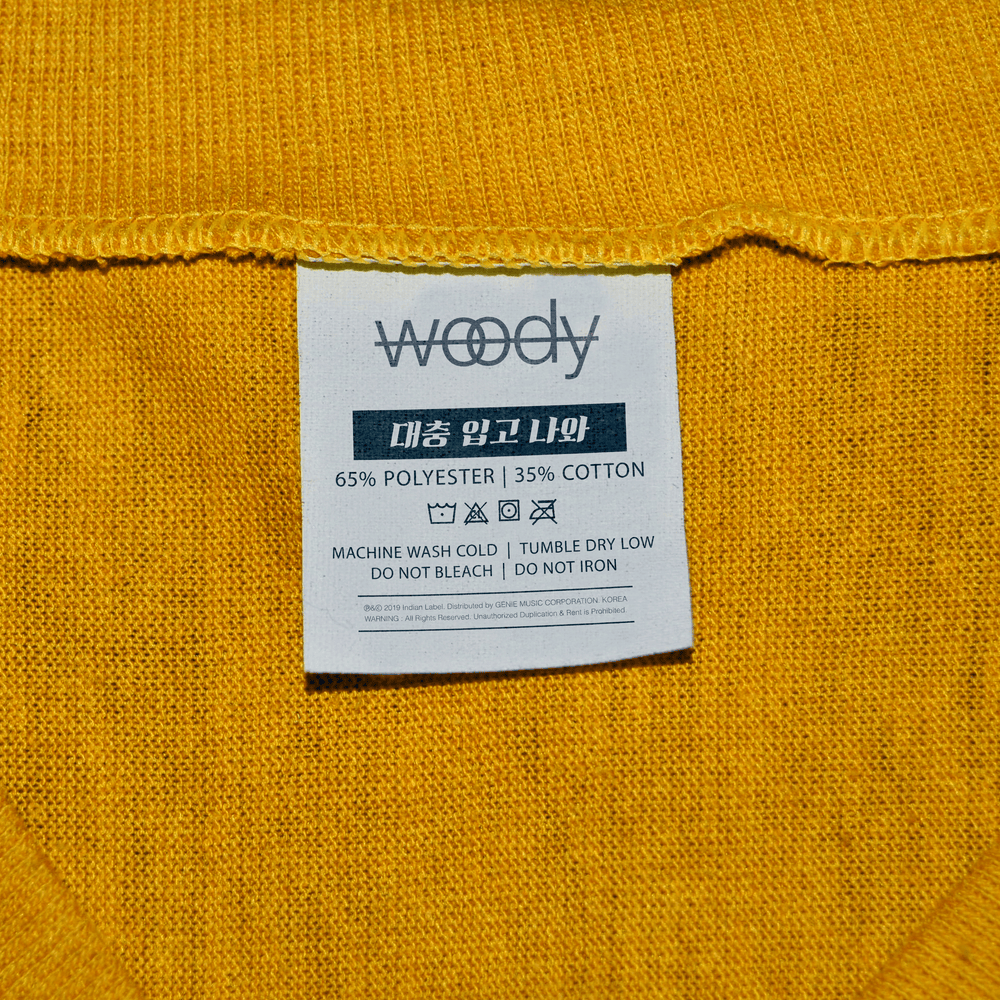
This track captures the giddy excitement of a new relationship, focusing on the simple pleasure of wanting to be with someone. The narrator's gaze is entirely fixed on their love interest, declaring them perfect and complete just as they are. The repeated plea to "대충 입고 나와" (just come out dressed casually) isn't about a lack of effort, but rather an assurance that their partner's inherent beauty outshines any outfit, making them ready to go at a moment's notice. It's a sweet, almost urgent, invitation to share the present moment.
The core tension lies in the narrator's overwhelming affection and eagerness versus the casual, effortless way they want their partner to appear. They've already "준비 다 했어" (got everything ready), highlighting their preparedness and desire to seize the day together. This eagerness is balanced by a gentle reassurance; the narrator doesn't need their partner to dress up because "뭘 입어도 예쁘니까" (you're pretty no matter what you wear). The lyrics suggest a deep comfort and admiration, where the partner's natural state is already ideal.
A key piece of craft is the insistent, almost playful repetition of "묻지마 묻지마 묻지마 누가 더 예쁘냐고" (don't ask, don't ask, don't ask who's prettier). This rhetorical question, immediately answered with "알잖아 알잖아 알잖아 그건 그건 너" (you know, you know, you know, it's, it's you), underscores the narrator's singular focus and devotion. It’s a moment of playful certainty that cuts through any potential insecurity, reinforcing the partner's unique place in their heart. The entire song builds on this simple, direct affirmation of beauty and desirability.
Ultimately, the effectiveness of these lyrics stems from their unadorned sincerity and the vivid picture they paint of someone utterly smitten. The casual command to "just come out" feels less like a demand and more like an open door, an invitation to step into a shared experience. It’s the kind of simple, heartfelt sentiment that makes you want to drop everything and meet up with someone special, appreciating them exactly as they are.
 View Artist